


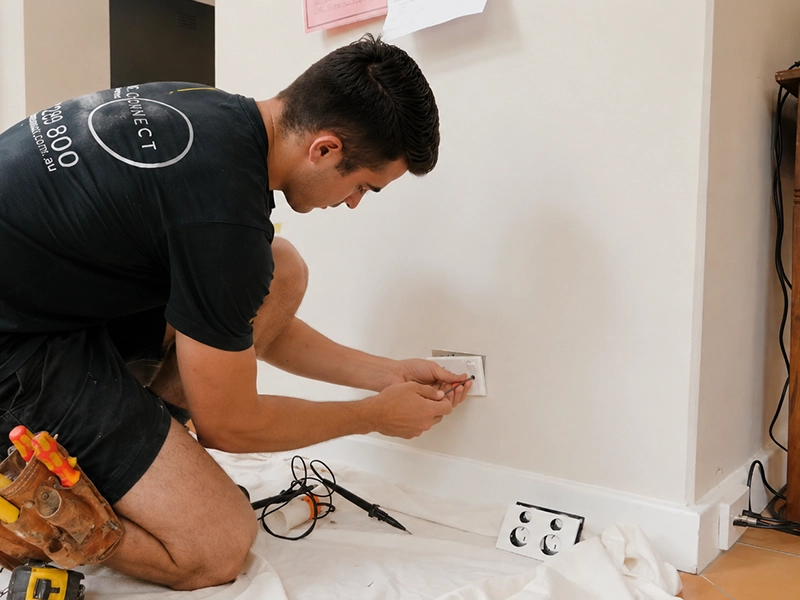
Powerpoint Installation Sydney

  • Licensed Sydney Electricians – Licensed and insured electricians install general purpose outlets (GPOs) to Australian electrical safety standards under licence #316227C
  • Same Day Service – Get new power outlets installed quickly for homes, offices, appliances, and multiple device charging needs.
  • USB Power Points – Modern USB outlets provide convenient phone and tablet charging without bulky adapters.
  • Upfront Fixed Pricing – Free quotes and fixed pricing give you clear costs before electrical work begins.
  • Commercial and Residential Expertise – We install single GPOs, extra power points, and full office fit-outs with safe, compliant workmanship.
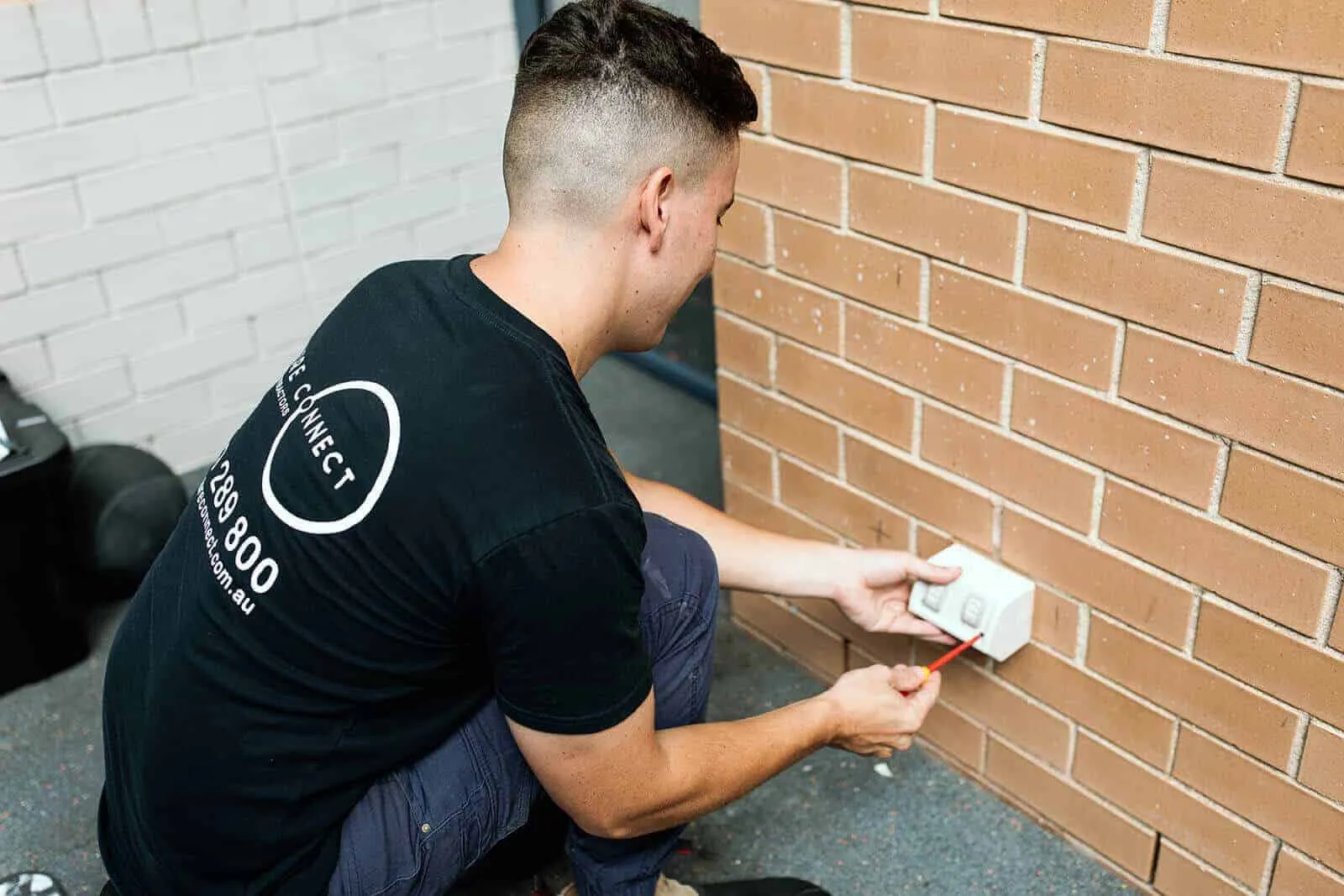
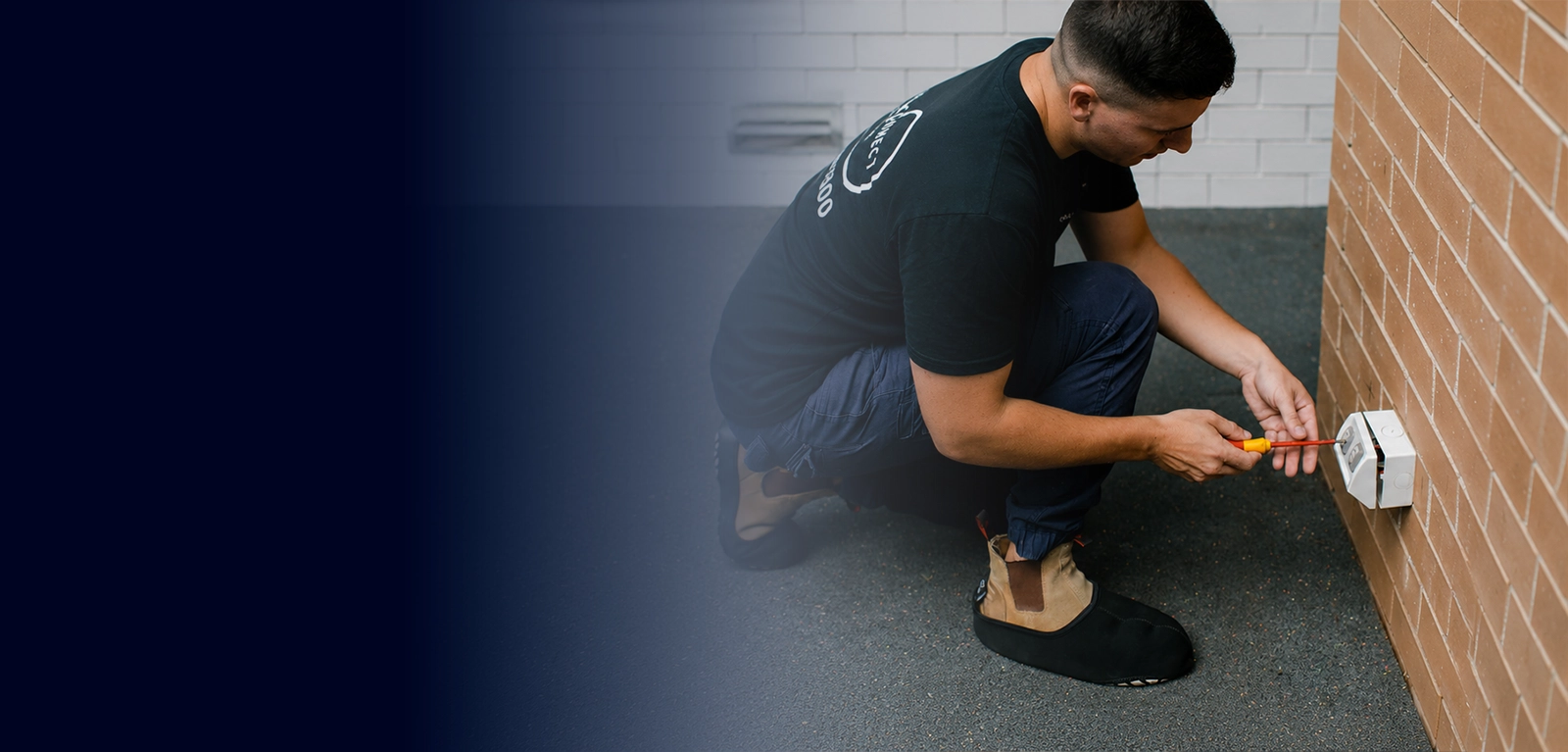
Electrician installing an outdoor power point on a brick wall at a Sydney property
GPO Brands we trust:
Calibre Connect electrician installing a power point for home office and media room equipment in a Sydney home

Reasons to Install a New Powerpoint

Power point installation becomes necessary when your electrical setup no longer serves your needs. Here are five clear indicators that your home or office requires additional outlets.

Running extension cords across rooms creates trip hazards and fire risks. When you rely on power boards to connect multiple devices, your space needs more permanent outlets. Extension cords are temporary solutions, not long-term fixes.

Heat around existing power points signals overloading or faulty wiring. Discolouration on the outlet face indicates potential fire hazards. An emergency electrician should inspect these faults immediately to isolate the circuit and safely distribute the electrical load.

Your circuits trip when too many appliances draw power from limited outlets. This protective mechanism prevents overheating. Installing new power points on separate circuits solves this recurring issue and improves your electrical system’s functionality.

New spaces require proper electrical planning. A spare room converted to a home office needs outlets positioned for desks and equipment. Kitchen renovations demand power points placed for modern appliances. Planning installations during renovations saves time and money.

Older Sydney homes often have outdated outlets that lack earthing. Modern appliances require three-prong connections for safe operation. Upgrading to current Australian standard outlets protects your family and your devices from electrical faults.

Powerpoint Installation Services We Handle in Sydney
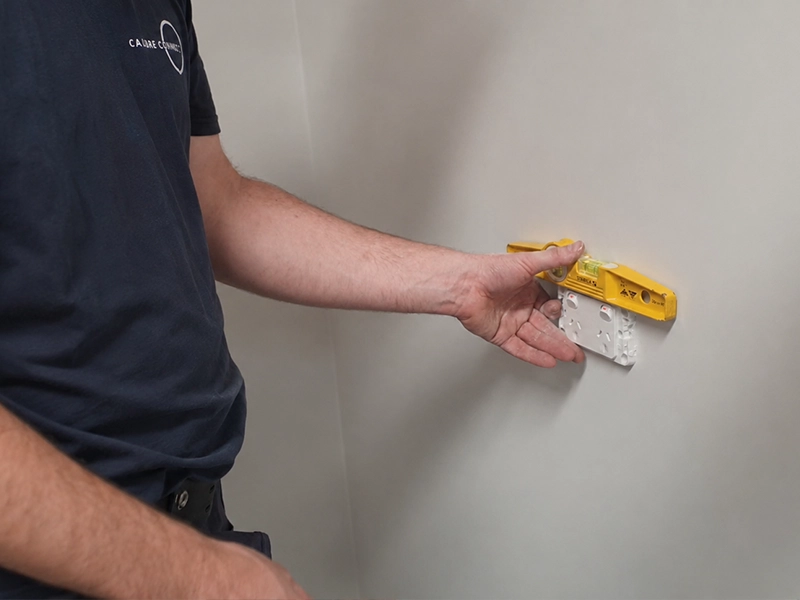
Electrician installing a new double GPO power point on an internal wall in a Sydney home

Add a new double GPO (new location)

Run a new cable path to the position, mount the outlet properly for the wall type, and terminate and test it as part of the correct sub-circuit.
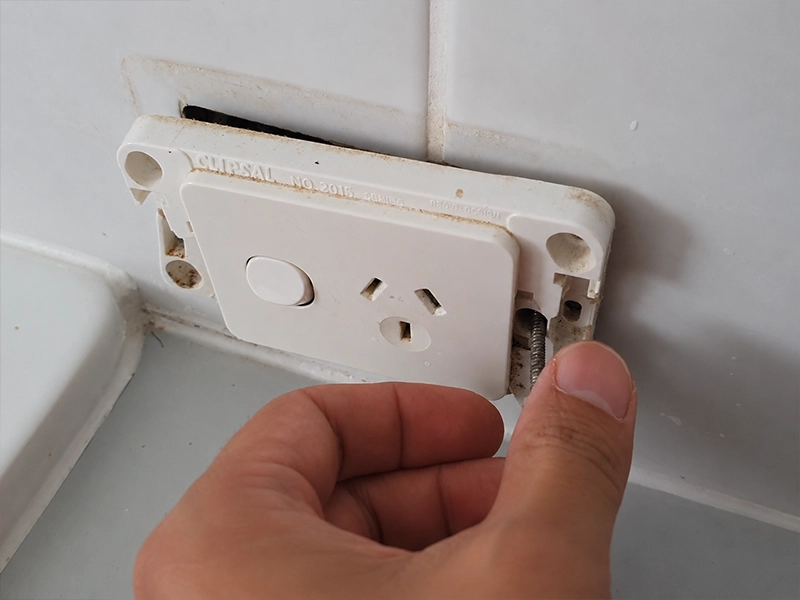
Single power point being replaced with a double GPO in a Sydney property

Replace a single powerpoint with a double or quad

Upgrade the outlet format where the existing box and cable condition allow it, then verify terminations and loading are still appropriate.
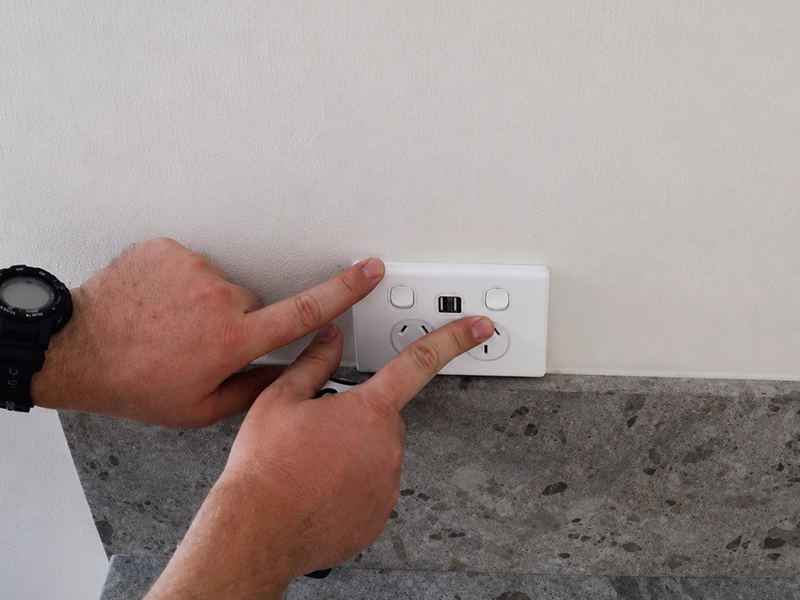
Double power point with USB-A and USB-C charging ports installed in a Sydney property

USB-A and USB-C integrated outlet upgrades

Install USB outlets where charging is needed at bedsides, desks, or kitchens, and confirm the unit rating and enclosure space suit the wall box and cable arrangement.
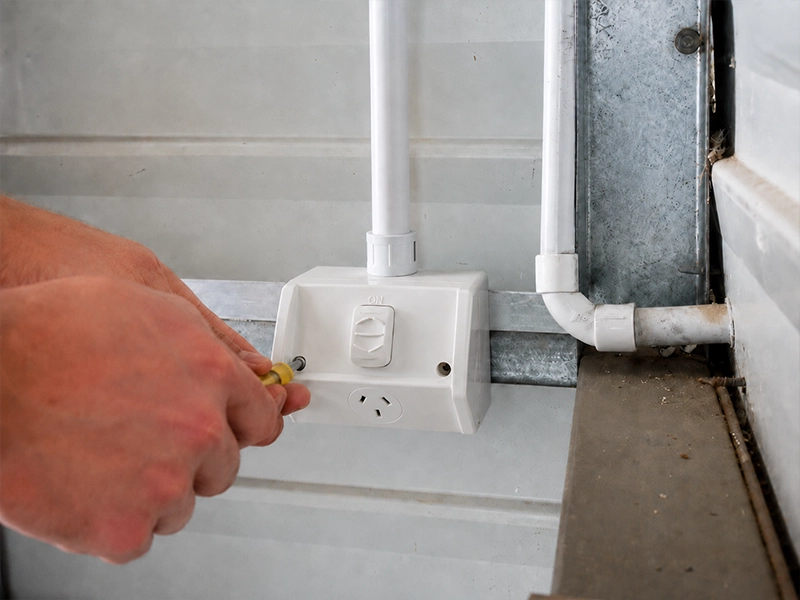
Electrician checking a surface-mounted power point for 10A and 15A outlet suitability in Sydney

10A vs 15A outlet installs and suitability checks

Handle 15A requirements properly rather than swapping a socket, including checking the circuit and intended load before fitting the correct outlet type.
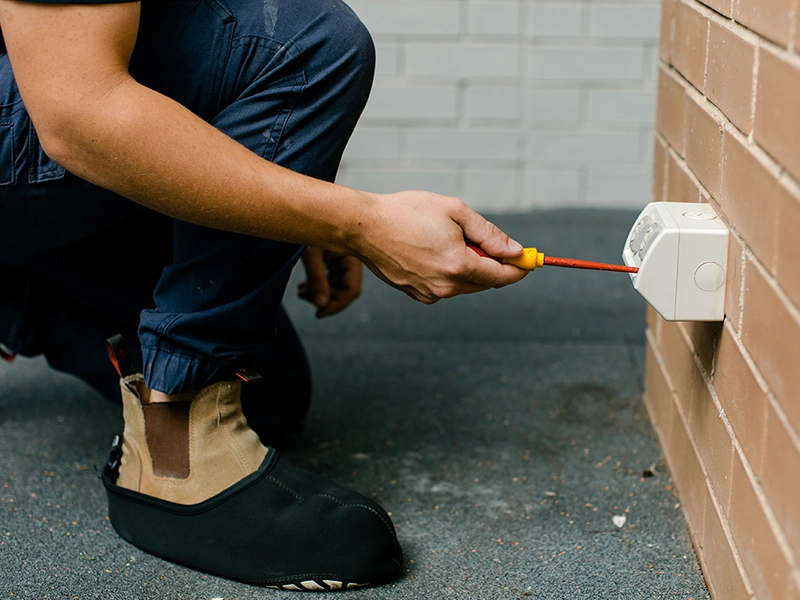
Electrician installing a weatherproof outdoor power point on a brick wall in Sydney

Outdoor weatherproof powerpoints (IP53/IP56)

Fit weatherproof outlets for alfresco areas, garages, and external walls, including mounting blocks or spacers, sealed entries, and conduit where needed to prevent water tracking.
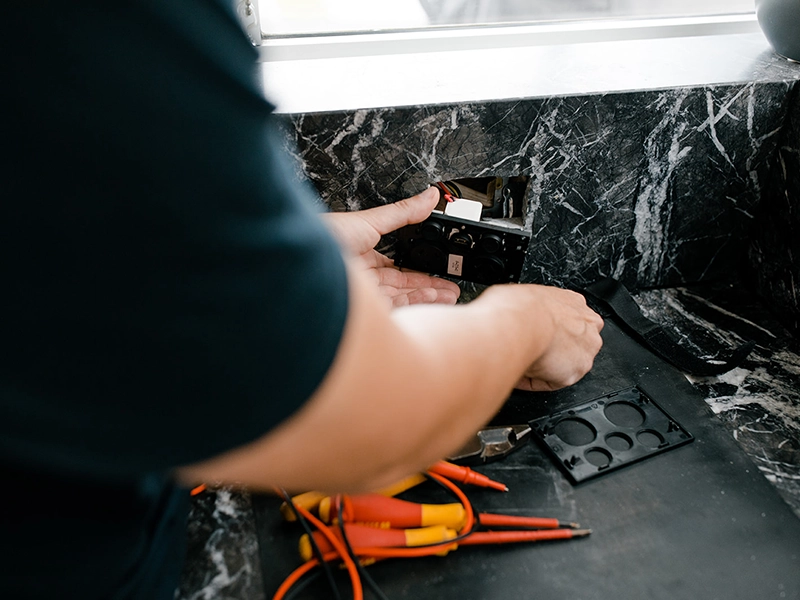
Electrician installing a kitchen power point for appliance and dedicated circuit planning in Sydney

Kitchen appliance and dedicated circuit outlet planning

Add outlets where appliances actually sit, then confirm the circuit isn’t already stretched and that protection and loading remain appropriate for cooking loads.

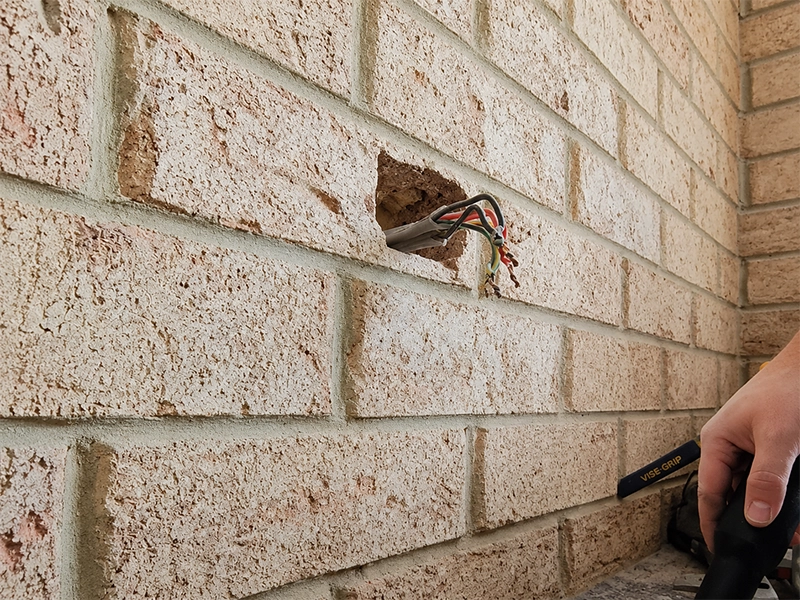
Double brick wall chased for concealed power point wiring in a Sydney property

Double brick wall chasing and concealed runs (Inner West)

Chase and install outlets cleanly in solid masonry where concealment is required, withrealistic expectations around patching and repainting.
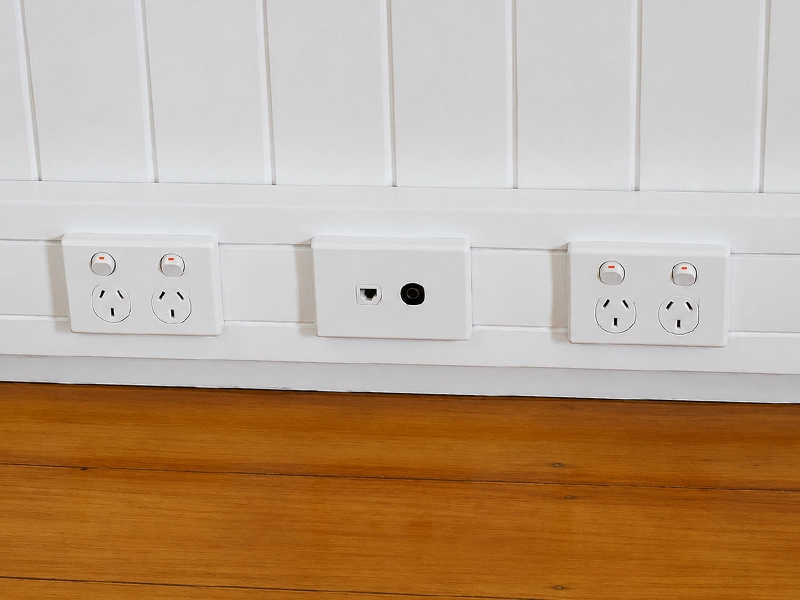
Power point installation planned for a Sydney strata apartment with access and wall constraints

Strata apartment outlet installs (concrete walls)

Plan installs around concrete walls, access rules, and containment options where chasing is not permitted, so the result is neat and serviceable.

Powerpoint Installation Handover Checks and Electrical Testing
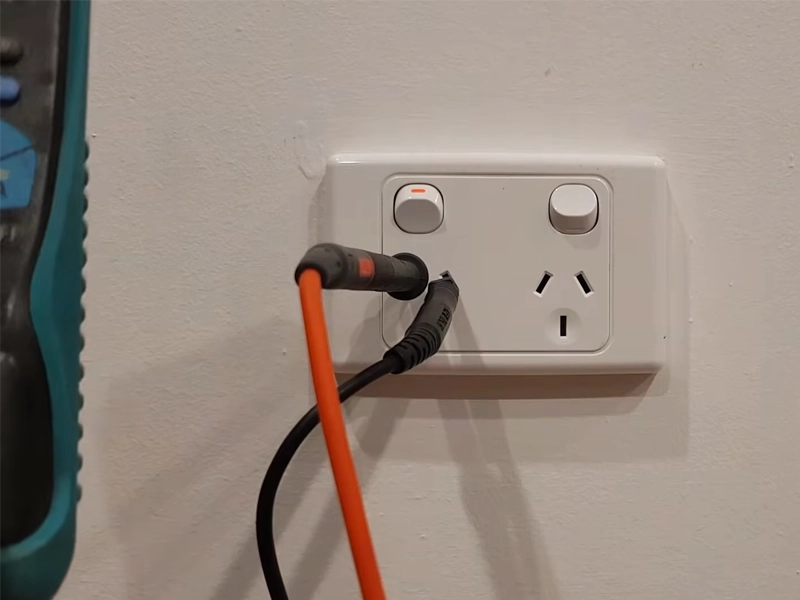
  • Confirm safe isolation at the switchboard, identify the correct circuit, and verify the work area is dead before removing the existing outlet or opening any junctions.
  • Inspect the existing conductors and terminations for heat damage, looseness, brittle insulation, or signs the point has been overloaded or poorly repaired.
  • Verify the cable route and mechanical protection are appropriate for the wall type, including conduit or protection where required, and no unsupported cabling left loose in cavities.
  • Check the mounting method suits the substrate, solid fixing into brick where chased, correct wall mates or plaster C-clips in hollow walls, and mounting blocks or spacers where the wall surface needs stand-off.
  • Confirm the outlet type matches the intended use, 10A vs 15A suitability checks where applicable, and that the faceplate sits flat with no strain on the conductors.
  • Complete polarity testing at the outlet so active, neutral, and earth are correctly terminated.
  • Run insulation resistance testing where appropriate to confirm the new cable run and terminations haven’t been compromised during installation.
  • Check earth fault loop impedance (EFLI) to confirm the fault path is effective and protective devices can operate correctly under fault conditions.
  • Confirm the associated circuit has RCBO or RCD protection at the switchboard, then verify operation using compliant RCD safety switch testing, not guesswork.
  • Function test under load where practical, confirm there’s no excessive heat at the outlet, and that plug fit is firm with no arcing marks.
  • Label the circuit at the board where required and confirm the outlet location is clear in handover notes.
  • Handover includes a clear summary of what was installed or changed and a Certificate of Compliance Electrical Work (CCEW) issued on completion of electrical installation work.
Double power point being tested for safe operation in a Sydney property
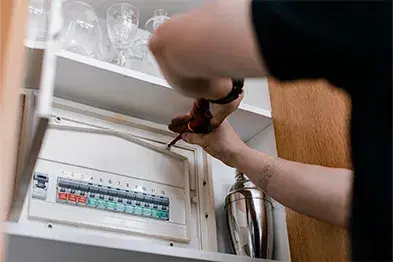
Calibre Connect upgrading an electrical switchboard

RCD and RCBO Protection, Circuit Loading, and Legacy Switchboards

Adding a new powerpoint isn’t just a wall job, it changes what the circuit is being asked to do. Before a new GPO goes in, the first check is always the associated sub-circuit protectthis becomes part of switchboardion at the switchboard. For new powerpoint installations, the circuit must have RCBO or RCD protection at the board, so we confirm what protection exists and whether the switchboard can support the required protection arrangement before we start running cable.

Protection first, because it changes the scope

On newer boards this is often straightforward, spare ways available, modern breakers, clear circuit labelling. On older Sydney stock, the protection and board condition is where the real scope shows up:

  • Old ceramic fuses and unprotected circuits can’t be treated like a modern protected final sub-circuit. If you’re adding a point to a legacy arrangement, the job often becomes protection work first, then the outlet install.
  • No RCD coverage on the circuit means you can’t proceed as if it’s a simple add-on. The circuit protection has to be brought to the required level for the new work.
  • Overloaded sub-circuits show up as warm outlets, nuisance tripping, or multiple high-load appliances on one run. Adding another outlet doesn’t fix that, it can make it worse.

Components that commonly get involved in this protection layer:

  • RCBOs (combined RCD and breaker) or RCDs paired with breakers at the board
  • Correctly rated breakers matched to the cable size and installation conditions
  • 2.5mm² TPS cabling on typical socket circuits, with the actual selection based on route, grouping, and run conditions
  • Junction boxes or terminal enclosures where a circuit needs a proper join point for an extension, not taped joins or loose connectors in a wall cavity

Circuit loading, maximum demand, and why “one more outlet” can trip issues

A powerpoint is only useful if the circuit behind it is sound. We look at what’s already on the circuit and what you’re planning to plug in. Home offices, media rooms, and kitchens are common examples where the outlet count is low, but the load can be high. If the existing circuit is already stretched, the right fix might be a new run or a dedicated circuit, not just adding another GPO on the end.

Real-world problems that commonly sit behind “just add a powerpoint” requests:

  • Loose or heat-affected terminations at an existing outlet creating intermittent power and heat build-up under load
  • Legacy wiring issues, including older sub-circuits that have been altered over time, or un-earthed circuits that have been repurposed incorrectly and only show up once you start testing properly
  • Voltage drop on longer runs, especially to garages, sheds, or outdoor areas where the run length and installation method change the cable selection and protection decisions

Decision factors that change cost and complexity in this section

  • Whether the circuit already has RCBO or RCD protection at the switchboard, or whether protection needs to be added before a new outlet can go in
  • Switchboard condition and spare ways, including whether legacy fuse gear needs upgrading to support compliant protection
  • Existing circuit loading and whether the new outlet is for general use or a high-demand appliance
  • Distance from the switchboard and the practical cable route, subfloor, ceiling, cavity, or surface containment
  • Whether the job is a clean install or fault finding mixed with upgrade work

In some projects, this becomes part of broader electrical switchboard modernization rather than a simple outlet add-on, because circuit capacity and safety protection have to be made right before the new point is installed.

Not sure what you need?
calibre-connect-power-point-electrician

Powerpoint Types and Installation Methods Across Sydney Wall Types

A powerpoint install is never just “cut a hole and hook it up”. The outlet type, the wall construction, and the cable route decide what’s realistic, how clean the finish will be, and how serviceable it stays long-term.

Types of powerpoints we install, and where each makes sense

Single, double, and quad GPOs

Singles are rarely enough in modern rooms. Doubles and quads reduce powerboards and daisy-chained extension leads, but they need enough box space and a solid mounting method so the plate doesn’t flex when plugs are removed.

USB-A and USB-C integrated outlets

Good for bedsides, desks, and kitchens where chargers are always out. The practical checks are enclosure depth and secure mounting.

10A vs 15A outlets

A 15A outlet is not a cosmetic upgrade. It exists for specific appliances and equipment with a 15A plug, so the install needs to match the intended load and circuit suitability.

Outdoor weatherproof powerpoints (IP53/IP56)

Used for alfresco areas, gardens, exterior lighting networks, and exposed boundary walls. The failure point is usually water tracking into the back of the outlet or into a poorly sealed entry, so mounting and cable entry protection matters as much as the IP rating.

How Wall Type Changes the Method in Real Sydney Properties

Different wall types change the installation method, fixing hardware, and the amount of making-good required after the work is done. In Sydney homes and apartments, that can mean anything from double brick and rendered masonry to plasterboard over studs, tiled bathroom walls, or older lath-and-plaster surfaces. Getting the wall type right from the start helps avoid unnecessary damage, loose fixings, and a finish that looks patched or rushed.

Inner West double brick (chased and concealed runs)

Chasing into solid double brick is labour-heavy and dusty. The job involves setting chase depth, protecting adjacent finishes, and allowing for patching and repainting. Cable is run and protected to suit the wall and route, then the outlet is fixed solidly so it doesn’t work loose over time.

North Shore lath and plaster or older wall linings

Older wall systems are brittle and unpredictable. Fishing cable can be limited by noggins, old repairs, and shallow cavities, and aggressive cutting can crack plaster. The approach is careful location, controlled cut-outs, secure mounting so the plate sits flat, and keeping joins out of the wall cavity unless they’re in a proper enclosure.

Eastern Suburbs strata concrete walls

Concrete walls change routing. Chasing is often restricted, drilling can be limited, and the neat solution is frequently surface containment placed deliberately so it’s straight, tight to lines, and serviceable.

Sydney CBD high-rise constraints and post-tension realities

Some CBD buildings have post-tensioned slabs and strict penetration rules. That affects where you can run cable and how you can mount anything to concrete elements. In these buildings, the install method is often about working within approved routes and keeping everything accessible for future maintenance.

Outdoor and external installs, where water and UV do the damage

Even a good weatherproof outlet fails if the back entry is unsealed or the cable entry lets water track into the wall. On external installs we focus on:
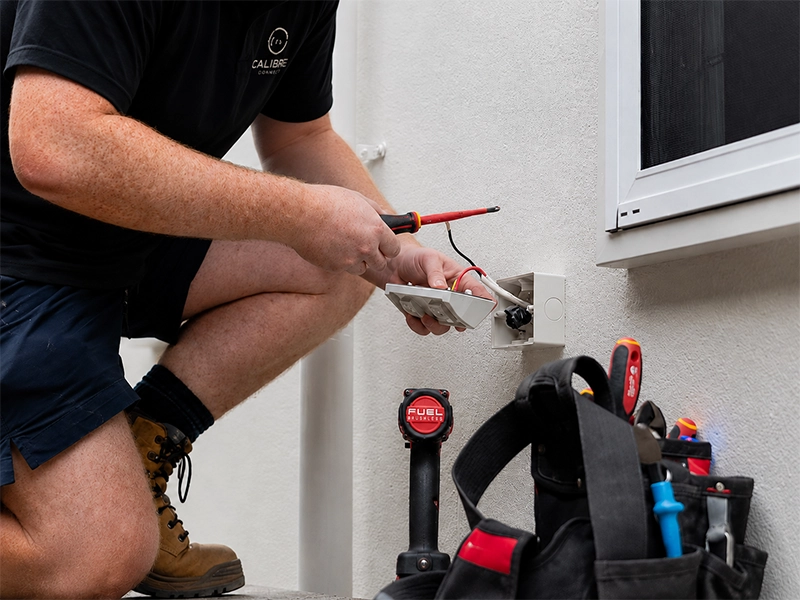

  • Mounting blocks or spacers where needed to keep the outlet square and reduce water pooling
  • Correct conduit entries and mechanical protection, so the cable isn’t exposed or pinched
  • Sealing and drip-path awareness at the entry points, where water typically finds its way in
  • Corrosion considerations near coastal areas, where fixings and exposed hardware can degrade faster
Electrician installing a power point on an exterior wall using a method suited to the wall type in Sydney
Calibre Connect electricians reviewing electrical work scope on-site before preparing a quote

Powerpoint Installation Cost in Sydney, and What Changes the Price

In Sydney, a standard powerpoint installation typically costs between $150 and $300, which includes the unit, basic wiring, and labour by a licensed electrician. If you are upgrading to specialized units like USB-integrated powerpoints, quad sockets, or weatherproof outdoor outlets, the price generally ranges from $180 to $380. We provide transparent, upfront fixed pricing before any work begins, ensuring you receive safe, compliant electrical work with zero hidden fees.

While our standard rates are highly competitive, the final price of your installation depends on a few key variables:

  • Installation Type: Swapping an existing faceplate is the most budget-friendly option (often starting around $100–$150) since the foundational wiring is already present. A completely new installation requires running fresh cable, which increases labour time.
  • Choice of Outlet: Standard single and double general purpose outlets (GPOs) are the most affordable. Premium options such as smart Wi-Fi outlets, 15-amp powerpoints for heavy appliances, or multi-port USB plates, carry a higher material cost.
  • Accessibility and Wall Structure: Homes with easy access through the roof cavity or underfloor are quicker to wire. If we need to drill through solid brick, navigate concrete walls, or carefully remove and replace tiles, the extra labour will adjust the price.
  • Switchboard Capacity: Australian electrical safety standards require all new powerpoints to be protected by a Residual Current Device (RCD). If your current switchboard lacks capacity or a dedicated safety switch, a minor upgrade will be necessary to ensure your home is compliant and safe.
  • Volume of Work: Bundling is the best way to save. Installing multiple powerpoints during a single visit reduces the overall cost per unit, as the travel and setup time are consolidated.

How Our Powerpoint Installation Process Works

Step 1: Pre-check the location, intended loads, and wall type

We confirm what you’re powering, where you want the outlet, and whether it’s a standard 10A GPO, USB-C outlet, a 15A requirement, or an outdoor weatherproof point. We also confirm the wall construction, double brick, plaster, or concrete.

Step 2: Verify circuit protection, capacity, and the cable pathway

At the switchboard we confirm the associated circuit has RCBO or RCD protection before any new point is added, and we check the circuit loading and layout. We also confirm the most practical route, subfloor, ceiling, cavity, or surface containment where concrete or building rules limit concealed runs.
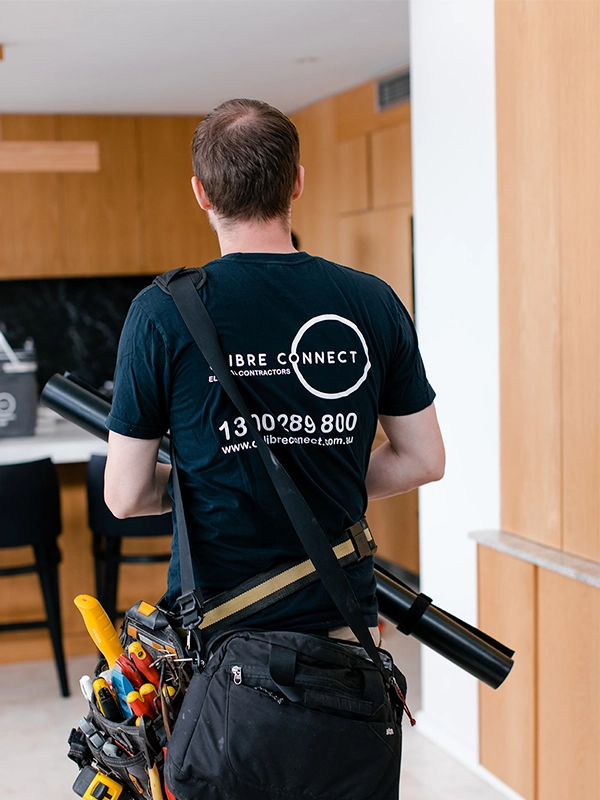
Licensed electrician carrying lighting equipment for LED downlight installation in a Sydney property

Step 3: Install the cabling, containment, and outlet hardware

We run and secure the cabling to suit the route, use conduit or mechanical protection where needed, mount the outlet so the plate sits flat and solid, then terminate active, neutral, and earth correctly with no strain on conductors. For outdoor points, we install the weatherproof fitting with sealed entries and a mounting method that prevents water tracking behind the plate.

Step 4: Test, document, and hand over

We complete polarity checks and instrument testing as required, verify RCD or RCBO operation on the associated circuit, then function test under load where practical. Handover includes a clear summary of what was installed or changed and a Certificate of Compliance Electrical Work (CCEW) issued on completion of electrical installation work.


Why Choose Calibre Connect for Powerpoint Installation

Protection is checked and corrected before we add a new outlet

We confirm the associated circuit has RCBO or RCD protection at the switchboard before a new powerpoint is installed.

Outlet placement is planned around what you’re actually powering

We plan locations for desks, media units, kitchen appliances, and garages so you’re not forced back onto powerboards and extension leads.

The installation method matches the wall type and finish expectations

Double brick chasing, older plaster, and strata concrete all need different routing and fixing methods.

Outdoor points are installed to prevent the usual water ingress failures

We use appropriate mounting, sealed entries, and mechanical protection so the point stays reliable in wet and UV-exposed areas.

Legacy circuits and fuse boards are treated as a constraint, not ignored

If the existing circuit is unprotected, overloaded, or sitting on older fuse gear, we scope the work properly before adding a new point.

Testing and handover are documented properly

We verify polarity and required instrument tests for the work performed, confirm protective device operation, and issue a Certificate of Compliance Electrical Work (CCEW) on completion of electrical installation work.

What Our Clients Say About Calibre Connect Electrical

  • We had extension cords and power boards running everywhere in the home office and behind the media unit. Calibre Connect added double GPOs at desk height and behind the TV so everything’s tidy now, and they checked the circuit could actually handle the extra load before adding the outlets. Marc explained why one of the runs needed its own circuit rather than just adding another point on the end. Everything was tested and we got the compliance certificate on handover.
    Isla F
    Manly, NSW
  • Our older home still had a couple of ungrounded two-prong outlets and one that was warm to the touch. Calibre Connect inspected the switchboard first and flagged that the circuit had no RCD protection, so they sorted that out before installing the new points. They were upfront about the chasing and patching needed in the double brick walls, so there were no surprises. The work was neat and they walked us through exactly what was changed.
    Henry G
    Epping, NSW
  • We needed a weatherproof power point installed in the alfresco area and another in the garage. Calibre Connect fitted IP-rated outlets with proper sealed entries and mounting spacers so water can’t track in behind the plate they explained that’s usually where outdoor points fail. The fixed quote was clear from the start, the install was clean, and both outlets were function-tested before they left.
    Zara J
    Liverpool, NSW

Service Areas: Powerpoint Installation Matched to Sydney’s Building Stock

Building age, wall construction, and access rules change what a clean powerpoint install looks like. A double brick Inner West wall is a different job to a lath and plaster North Shore home, and strata apartments with concrete walls often restrict chasing and cable routes.

Here’s how our Sydney electrical services team tailors powerpoint installations to suit different building structures across the Greater Sydney region:

Inner West (Double brick and retrofit chasing)

A lot of homes are solid masonry where concealment means chasing, dust control, and patch coordination.

  • Typical challenge: double brick wall chasing that limits cable pathways and makes repositioning slow once you commit.
  • Our approach: confirm outlet locations and heights first, chase only what’s needed, then mount the GPO solidly so the plate sits flat and doesn’t flex.

Eastern Suburbs (Strata apartments and concrete walls)

Concrete walls and strata rules often dictate what you can drill, chase, or conceal, and when you can do the work.

  • Typical challenge: routing and fixing constraints in concrete, plus building rules that limit penetrations and noise windows.
  • Our approach: plan the route around approved pathways, use neat surface containment where chasing isn’t allowed, and keep joins enclosed and serviceable.

North Shore (Older wall linings and lath and plaster)

Older homes can have brittle wall surfaces and irregular framing that makes cable fishing unpredictable.

  • Typical challenge: cracking or delaminating plaster during cut-outs, and blocked cavities that prevent a clean concealed run.
  • Our approach: locate the structure carefully, keep cut-outs controlled, mount securely with the right hardware, and choose a route that avoids hidden, inaccessible joins.

Hills District (Home offices, media rooms, and higher outlet demand)

Rooms often have higher device loads, AV gear, and desk layouts that expose how limited the original outlet plan was.

  • Typical challenge: relying on powerboards and extension leads because there are not enough outlets where equipment actually sits.
  • Our approach: plan outlet locations around desks and media units, spread outlets to reduce trailing leads, and confirm circuit loading and protection before adding multiple new points.

Northern Beaches (Coastal exposure and outdoor entertaining)

Outdoor areas and salt air change hardware life and water ingress risk.

  • Typical challenge: weatherproof outlets failing due to water tracking behind the plate or corrosion at exposed fixings.
  • Our approach: use suitable IP-rated outlets with correct mounting and sealed entries, apply mechanical protection to cable routes, and choose corrosion-resistant fixings where exposure warrants it.

Sydney CBD (High-rise constraints and post-tension limitations)

Many buildings have strict rules around penetrations, risers, and working hours, and post-tensioned structures can limit where you can drill.

  • Typical challenge: restricted routing and fixing options that prevent concealed runs and force approved containment methods.
  • Our approach: work within building routes and access windows, keep containment tidy and serviceable, and avoid risky penetrations that don’t meet the building’s rules.

Sutherland Shire (Mixed stock and staged renovations)

A mix of older homes and renovations means outlet work is often staged around other trades and finishes.

  • Typical challenge: adding outlets after joinery and finishes are in, with limited cable paths and patching constraints.
  • Our approach: confirm the cleanest route early, place outlets to suit furniture and appliance locations, and keep the install practical to maintain without hiding problems behind finished walls.

Frequently Asked Questions

In NSW, DIY electrical work is illegal, including installing new power points or swapping faceplates, and it can create serious safety and insurance consequences. The proper pathway is a licensed install that confirms circuit protection at the switchboard, runs a compliant cable route, terminates correctly, then tests and documents the work with a CCEW on completion.

Yes. USB-C outlets are useful at desks and bedsides, but the install still needs the right wall box depth, secure mounting, and a location that makes sense for charging.

No. Even “simple” outlet and faceplate work can expose live parts and create poor terminations that heat up under load. If an outlet is loose, cracked, warm, or arcing, it needs to be isolated, inspected, and repaired properly by a licensed electrical contractor.

It’s not only the cover. Reliability comes from mounting and entries, using an appropriate IP-rated outlet (IP53/IP56 where suitable), a mounting block or spacer where needed, sealed cable entries, and conduit or mechanical protection so water does not track into the wall behind the plate.

Yes. For new powerpoint installations, the associated circuit must have RCBO or RCD protection at the switchboard.

Common causes include loose terminations, heat-damaged outlets, overloaded circuits, moisture ingress on external points, or a protection device issue. Warm outlets and repeated tripping are fault symptoms, the circuit needs isolation and testing to confirm the cause.

A 10A GPO is the standard household outlet. A 15A outlet is for specific appliances and equipment with a 15A plug, and it is not a “swap the socket” job.

Yes. A Certificate of Compliance Electrical Work (CCEW) is issued on completion of electrical installation work.

Ready to Book PowerPoint Installation in Sydney?

Send the location and what you want to power, plus a photo of the wall type and the switchboard (if accessible), and we’ll confirm the cleanest cable route, whether protection upgrades are required, and the right outlet type for the job.

Call today and we’ll lock in a time that suits you.