

Electrical Meter Installation for Sydney Homes, Strata and Commercial Properties
Calibre Connect carries out meter installation work across Sydney for properties that need more than a like-for-like meter change. In many cases, the job also involves the meter box, switchboard interface, consumer mains, supply arrangement or relocation requirements, so the correct installation pathway depends on the property type, the existing infrastructure and the scope of compliance work required.
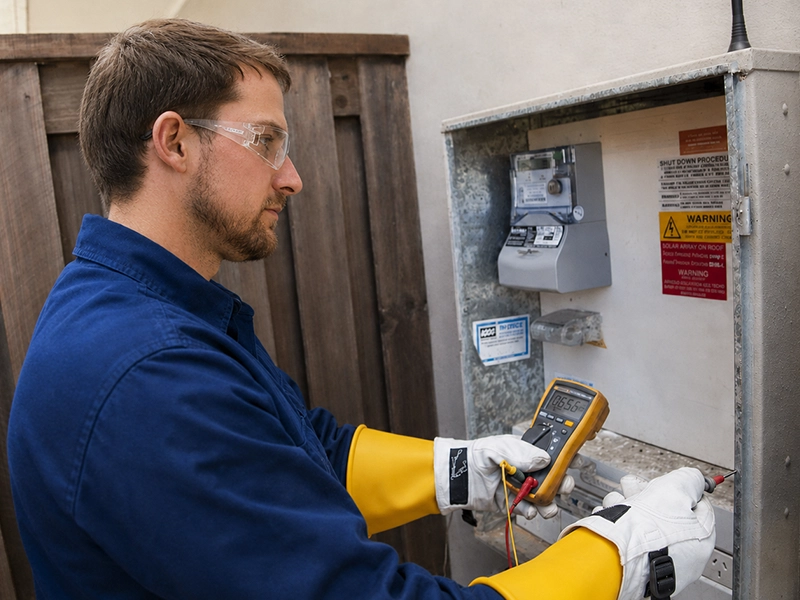
Residential Meter Installations
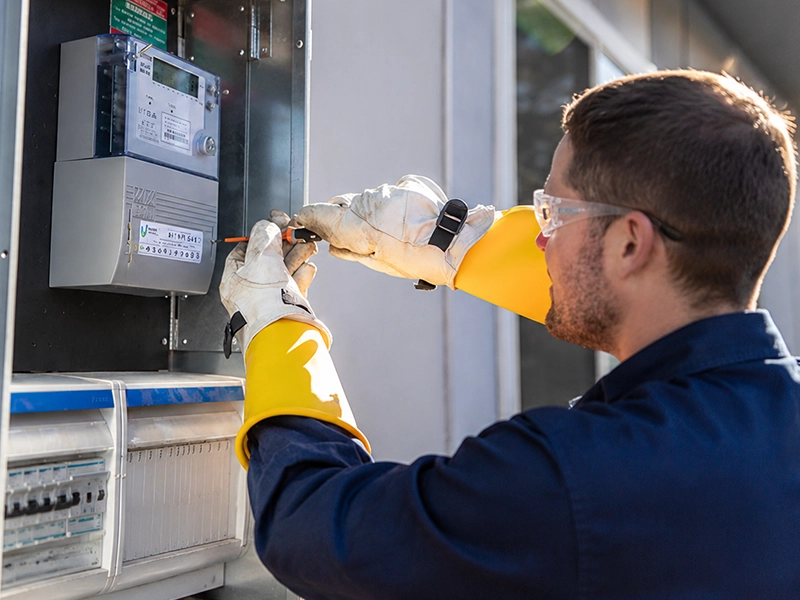
For residential homeowners, meter work is often triggered by an old or defective meter, a residential switchboard upgrade, a solar installation, EV charging preparation or a renovation that requires the meter position to be changed. In detached homes, duplexes and older residential buildings, the right scope depends on whether the job is a straightforward meter replacement, a smart meter upgrade, a relocation, or part of a broader upgrade involving the meter enclosure or switchboard.
Where the site also requires supply-side or network-related works, the project may need support from a qualified Level 2 electrician. Where the existing board or protection arrangement is outdated, the meter installation may also need to be coordinated with switchboard upgrades so the final installation is compliant and fit for current load demands.
Strata Meter Upgrades and Replacements
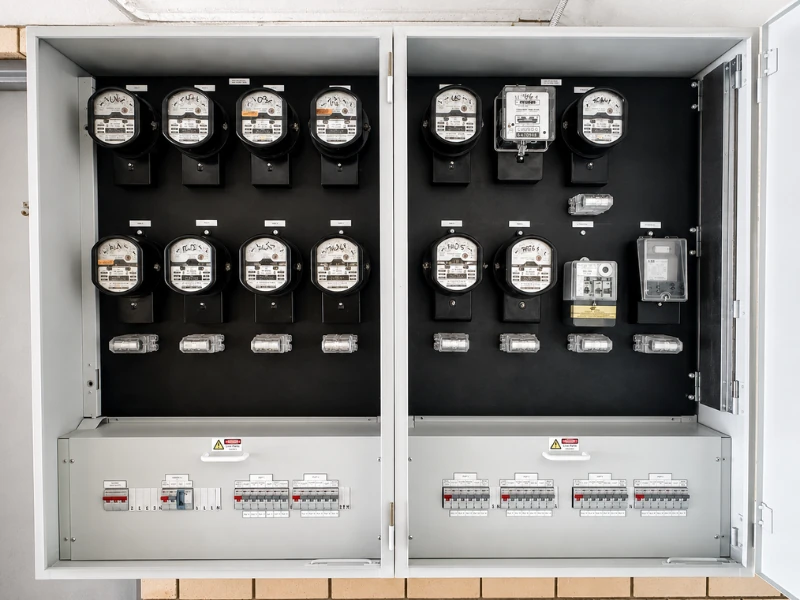
For strata managers and committees, meter installation work is usually tied to replacement, upgrade or reconfiguration rather than a first-time installation. Older apartment buildings often have ageing metering infrastructure, obsolete meter panels, legacy fuse arrangements or shared service conditions that need to be assessed before the scope is finalised. In these projects, the right path depends on tenancy layout, common-property infrastructure, metering arrangement and whether the building also requires related upgrade works.
This is also where coordination becomes more important. A strata metering project may involve meter replacement, relocation, board upgrades or supply changes that need to align with building access, staged works and existing shared infrastructure.
Commercial Metering and Higher-demand Installations
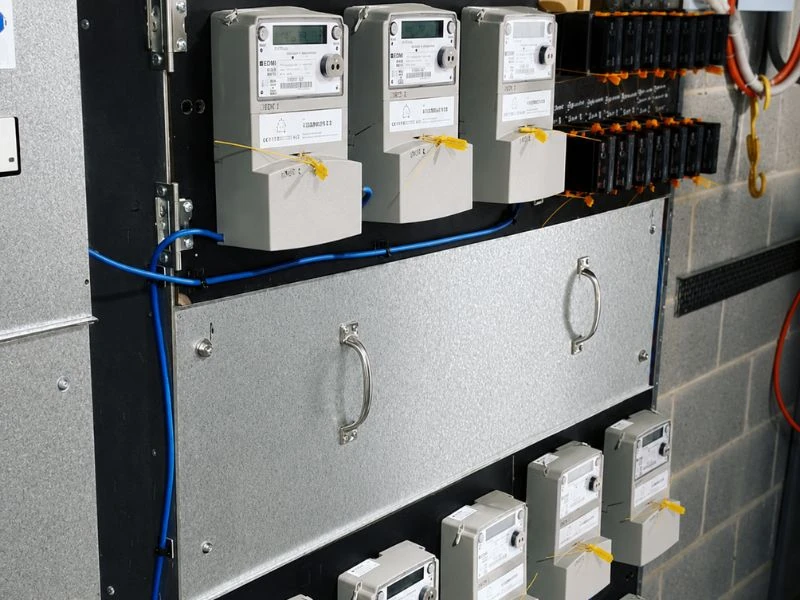
Commercial properties and development sites usually require a more technical metering scope, particularly where the installation is tied to higher loads, tenancy changes, supply upgrades or three phase requirements. In these projects, the meter is rarely treated as a standalone component. It is typically part of a broader electrical scope linked to switchboard capacity, protection, service layout and future demand.
Where the property requires a larger-capacity supply or more advanced metering arrangement, the installation may also connect with three phase power installation or related service work affecting the incoming supply and meter position.
Request a quote for compliant metering work
When You Need an Electricity Meter Upgrade, Replacement or Relocation
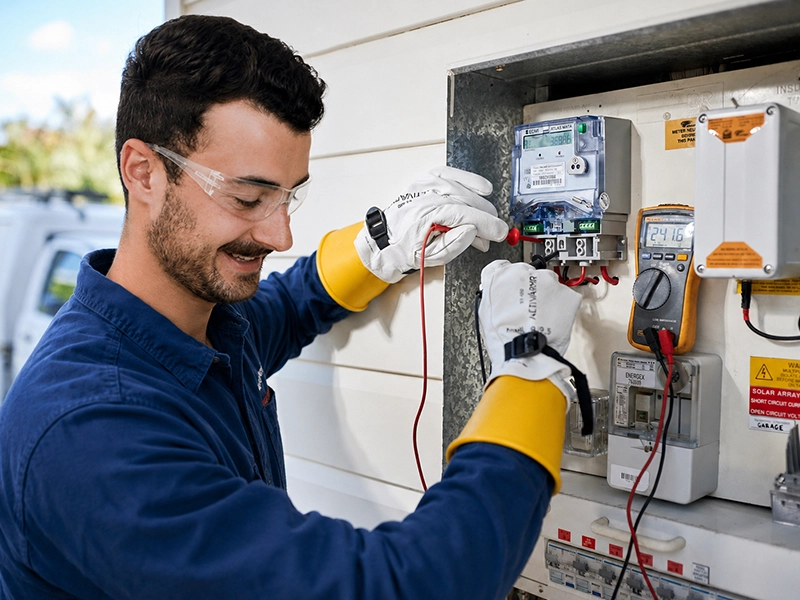
Electrical meter work is usually triggered by a specific change in the property, the supply, or the condition of the existing installation. In Sydney, that often means replacing an old meter, upgrading to a smart meter, relocating the meter position during building works, or bringing the metering setup into line with current network and installation requirements. In many cases, the meter itself is only one part of the scope. The condition of the meter box, main switchboard, consumer mains and service layout will often determine what the job actually requires.
Replacing old or obsolete electrical meters
Older meter installations are common across Sydney, particularly in established suburbs with ageing housing stock and legacy electrical infrastructure. These sites often present outdated meter panels, ceramic fuses, older protection arrangements, and enclosures that are no longer suitable for current service expectations. Where the existing setup is deteriorated, undersized or non-compliant, replacing the old electric meter may also require associated works to the enclosure, mounting arrangement or surrounding hardware.
If the meter installation is tied to an ageing board or outdated protection setup, the work may need to be coordinated with switchboard upgrades so the installation is completed as a compliant whole rather than as a partial fix.
Smart meter upgrades and digital meter replacement
A large share of current meter work in Sydney now involves replacing older meters with smart or digital metering. This is often driven by the need for more accurate interval data, tariff compatibility, solar integration, or preparation for future load changes. For the property owner, the practical trigger is usually simple: the old meter is no longer suitable for how the site is being used.
This is particularly relevant where the property is adding solar, moving to time-based tariffs, preparing for EV charging, or modernising an older electrical installation. In these cases, a digital meter upgrade is not just a meter change. It is part of making the installation usable for current energy demands and future upgrades.
Meter relocation during renovations or service changes
Electrical meter relocation is often required during renovations, façade works, access changes, meter box replacement, or upgrades that affect the existing service position. In older Sydney homes and mixed-use sites, the original meter location may no longer be practical, accessible or compliant for the updated layout of the property.
Relocation work needs to consider the wider installation, including the meter box position, the route of the consumer mains, the point of attachment, and the relationship to the main switchboard. Where the scope affects the incoming supply or requires authorised service work, it may need to be carried out in conjunction with a qualified Level 2 electrician. If the relocation also involves service-entry changes, damaged fittings or overhead connection issues, it may overlap with point of attachment repairs.
Meter installation linked to broader electrical upgrades
In many projects, the meter upgrade is not the starting point. It is the consequence of a broader change to the property’s overall Sydney electrical services scope. That may include a switchboard replacement, a three phase upgrade, solar installation, tenancy reconfiguration, or increased load demand from new equipment. In these cases, the meter installation has to be planned as part of the overall electrical scope so the final arrangement is compliant, coordinated and fit for purpose.
This is why meter work should be assessed as a system-level service rather than treated as a standalone component replacement. Where the project involves increased capacity or a larger supply configuration, it may also need to align with three phase power installation and associated board or supply upgrades.
Smart Meter Installation in Sydney for Solar, Off-peak and EV-ready Setups
Smart meter installation is now one of the most common reasons property owners in Sydney update their metering. For many sites, the goal is no longer just to replace an old meter. It is to make the installation suitable for solar export, off-peak or time-based tariffs, EV charging, and future load growth. That is why smart meter work needs to be assessed in the context of the broader installation, not treated as an isolated hardware change.
Where smart meter upgrades make sense
A smart meter upgrade is commonly required when the property is moving to a more modern energy setup or when the existing metering arrangement no longer suits how power is being used.
Common triggers include:
In these cases, the meter installation has to work with the existing board, protection devices, service arrangement and intended future load.
What a smart meter setup can support
|
Metering need |
Why it matters |
Related service pathway |
|---|---|---|
|
Solar-ready metering |
Supports compatible import and export metering arrangements |
|
|
Off-peak or time-based tariff setup |
Helps align the installation with modern tariff structures |
|
|
EV-ready metering |
Supports better planning for charging loads and usage patterns |
|
|
Higher-demand residential upgrades |
Prepares the site for larger appliances, electrification and future load growth |
Three phase power installation |
|
Commercial charging or fleet charging |
Supports more complex charging infrastructure and larger site demand |
Commercial EV charging installation |
Solar meter installation and export-ready setups
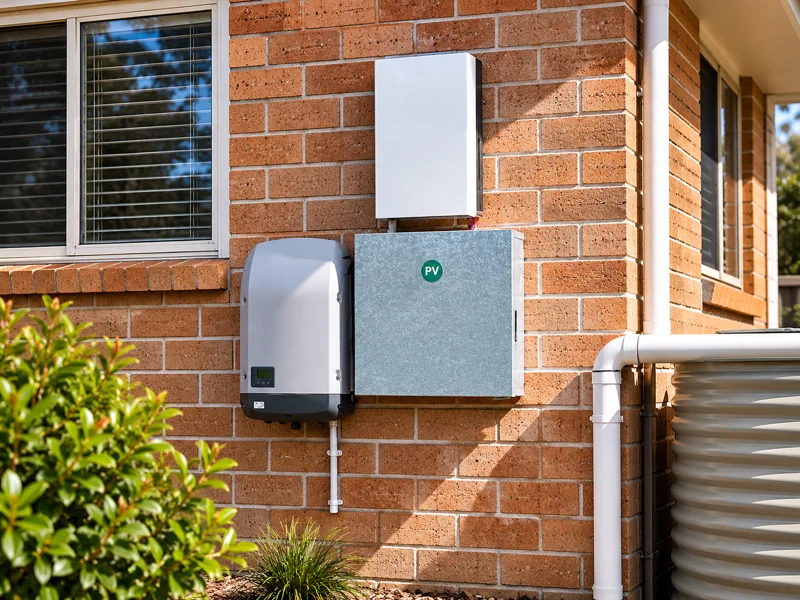
For properties adding solar, the metering arrangement needs to be suitable for the intended system configuration. That may involve smart metering, digital metering updates, or a broader meter-board and switchboard review depending on the condition of the existing installation. On older sites, solar work often exposes issues that were not obvious when the property was operating on a simpler load profile.
When solar is part of the project, meter installation should be considered alongside:
If the property is combining solar with other electrical upgrades, the scope may also overlap with a Level 2 electrician pathway or switchboard upgrades.
Off-peak and tariff-ready meter changes
Not every meter upgrade is driven by visible defects. In many cases, the existing setup simply does not match how the site now uses electricity. Properties adding electric hot water control, changing usage patterns, or moving toward a more electrified setup may require a metering arrangement that better suits off-peak or time-based charging behaviour.
This is particularly relevant when the property is:
Smart meters and EV charging readiness
For EV charging, the meter itself is only part of the picture. What matters is whether the installation as a whole is ready for the added demand. A smart meter can support better tariff alignment and a more modern metering arrangement, but the site may also need board upgrades, load assessment, or a higher-capacity supply depending on the charger type and property setup.
For homes, that often leads naturally into EV charger installation. For larger sites, mixed-use properties or commercial premises, the metering pathway may also connect with commercial EV charging installation or three phase power installation where the demand profile is higher.
Practical scope check before a smart meter upgrade
Before confirming the installation path, the site usually needs to be assessed for:
That is the difference between a simple replacement and a properly planned metering upgrade.
Three Phase Meter Installation and Advanced Metering Requirements
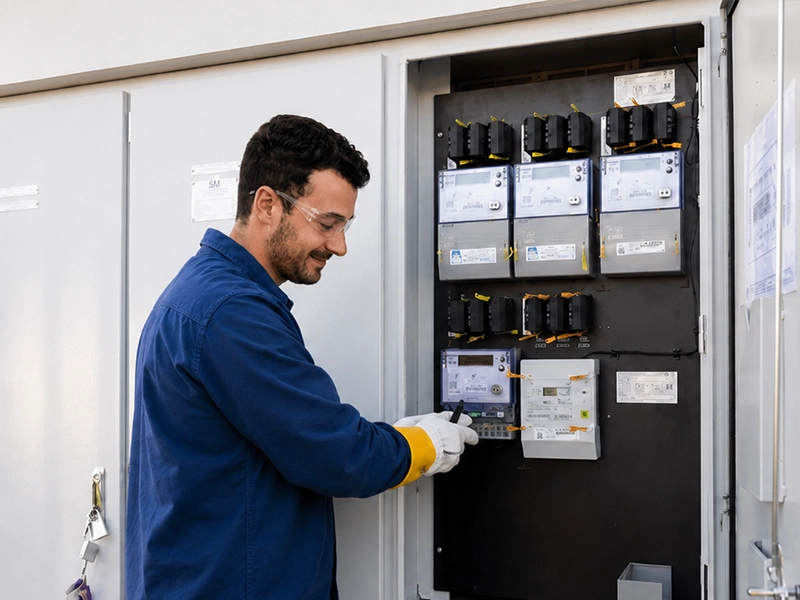
Not every property can operate efficiently on a standard single-phase supply. Larger homes, commercial sites, strata buildings and development projects may require three phase meter installation or a more advanced metering arrangement to support higher electrical demand. In these situations, the meter installation needs to be coordinated with the broader electrical infrastructure so the supply, switchboard and protection systems all operate correctly together.
When three phase metering is required
Three phase metering is typically introduced when the electrical demand of the property exceeds what a standard residential supply can comfortably support.
Common situations include:
Where the supply capacity is being expanded, the project may also involve a coordinated three phase power installation so the meter, switchboard and incoming supply arrangement are aligned with the upgraded load.
When three phase metering is required
|
Supply type |
Typical use |
Metering implications |
|---|---|---|
|
Single phase |
Standard residential homes and small loads |
Usually compatible with standard residential metering |
|
Three phase |
Large homes, commercial sites, workshops and developments |
Requires three phase metering and appropriate switchboard configuration |
|
CT metering (current transformer) |
Higher-demand commercial or multi-tenancy sites |
Metering designed to measure larger electrical loads safely |
This is why advanced metering is rarely considered in isolation. The meter type must match the supply arrangement and the electrical demand of the property.
Advanced metering in commercial and strata environments
In commercial buildings, strata properties and larger sites, metering often becomes more complex because the installation may need to support multiple tenancies, higher electrical demand, load monitoring requirements, and upgraded RCD safety switch protection.
In these environments, metering may also need to work alongside upgraded protection equipment, switchboard arrangements or supply changes. Where the existing infrastructure is outdated or undersized, the project may also connect with electrical switchboard upgrades to ensure the installation remains compliant and suitable for the required demand.
Meter installations connected to supply upgrades
A three phase meter installation is often only one step in a broader electrical upgrade pathway. Depending on the site conditions, the project may also involve:
Where the scope affects the incoming supply or requires work on the service interface, the installation may also need to be coordinated with a qualified Level 2 electrician.
Practical considerations before installing a three phase meter
Before confirming the final metering arrangement, the installation normally requires a technical assessment of the property to confirm the correct pathway.
Typical checks include:
Taking this approach ensures that the meter installation is not treated as a single component replacement but as part of a coordinated electrical system upgrade.
Licensed Electrical Meter Installation With ASP Level 2 Support Where Required
Electrical meter installation must be carried out by a licensed electrician and completed in accordance with the applicable electrical standards and network service rules. For meter work in Sydney, this means the installation must be designed and executed so the metering equipment, protection devices, enclosure and service arrangement comply with current requirements.
Calibre Connect performs all meter installations under NSW Electrical Licence 316227C, and where the scope involves supply-side work, the project is coordinated with an Accredited Service Provider (ASP) Level 2 electrician where required. Every installation is completed with a Certificate of Compliance for Electrical Work (CCEW) so the work is properly documented and recorded.
When an ASP Level 2 electrician may be required
Not every meter installation requires ASP Level 2 involvement. However, some projects affect the network connection or the incoming supply infrastructure, which falls within Level 2 scope.
Examples include:
Where that type of work is required, it is carried out with the involvement of a qualified Level 2 electrician so the installation meets both electrical standards and network service rules.
Electrical standards and service rules
Meter installations must comply with recognised installation standards and network service requirements. These rules exist to ensure the installation is safe, properly protected and compatible with the electrical network.
Key compliance frameworks include:
|
Compliance framework |
Purpose |
|---|---|
|
AS/NZS 3000:2018 (Wiring Rules) |
Defines electrical installation requirements for safety and system design |
|
Service and Installation Rules of NSW (SIRs) |
Specifies how electrical installations connect to the network |
|
NSW Fair Trading electrical compliance requirements |
Governs licensing, certification and electrical work documentation |
|
Network provider service requirements |
Covers connection conditions for Ausgrid, Endeavour Energy and Essential Energy areas |
These requirements affect how the meter is installed, how the enclosure is arranged, how the supply is connected and how the installation is tested and certified.
Certificate of Compliance for Electrical Work (CCEW)
A CCEW is issued for every electrical installation completed by Calibre Connect. This document confirms that the work has been carried out by a licensed electrician and that the installation complies with the relevant electrical standards.
For property owners, strata managers and commercial operators, the CCEW is the formal record that the meter installation has been completed correctly and documented as part of the electrical compliance process.
Meter installation as part of a broader compliant system
A compliant meter installation does not exist in isolation. It must operate safely within the wider electrical installation, which includes the meter enclosure, switchboard, protection devices, consumer mains and service arrangement.
For this reason, meter work is often assessed alongside related infrastructure such as:
Where those areas require improvement or modification, the project may also connect with related services such as electrical switchboard upgrades or point of attachment repairs so the installation remains fully compliant.
We handle installation and distributor coordination

Related Metering, Switchboard and Supply Upgrade Services
Electrical meter installation is often one part of a larger electrical scope. Once the existing setup is assessed, it is common to find that the metering work also intersects with the switchboard, meter enclosure, service entry arrangement, supply capacity or future load planning. That is why meter projects should be scoped as connected infrastructure works rather than treated as a narrow hardware replacement.
Services commonly linked to meter installation
The most common related service pathways include:
How these services connect to meter work
|
Related service |
When it becomes relevant |
|---|---|
|
Level 2 electrician |
Supply alterations, relocations, service-side works, disconnection and reconnection scope |
|
Switchboard upgrades |
Outdated boards, non-compliant protection, meter-box and board upgrades carried out together |
|
Three phase power installation |
Higher electrical demand, commercial loads, larger homes, future capacity planning |
|
Point of attachment works |
Service-entry defects, relocation complexity, ageing overhead connection arrangements |
|
EV charger installation |
Home charging projects that change load planning and metering needs |
|
Commercial EV charging installation |
Commercial and mixed-use projects with larger charging demand and infrastructure planning |
Why connected planning matters
A meter installation can appear simple until the site is opened up and the surrounding infrastructure is reviewed. The meter may be serviceable only if the enclosure is upgraded, the switchboard is brought into line, the supply arrangement is changed, or the installation is coordinated with additional work elsewhere on the property.
That is particularly relevant when the project involves:
In these situations, the value is in planning the metering work as part of the full electrical pathway so the final installation is technically sound, compliant and suited to future use.
Why Choose Calibre Connect for Electricity Meter Installation in Sydney
Electrical meter installation is rarely just a simple meter swap. In many Sydney properties the work also involves the meter enclosure, switchboard interface, consumer mains, service entry arrangement, or network compliance requirements. Calibre Connect delivers properly scoped meter installations across Sydney with licensed electricians, coordinated Level 2 support where required, and full compliance documentation.
Licensed Electricians With Level 2 Coordination Where Required
Meter installations must be completed by a licensed electrician, and some projects also require Accredited Service Provider (ASP) Level 2 involvement where the scope affects the incoming supply or service connection. Calibre Connect manages the installation pathway correctly so the project aligns with network service rules and electrical standards.
Meter Installations Designed for the Whole Electrical System
A compliant meter installation must work safely with the switchboard, protection devices, consumer mains, and service arrangement. We assess the full installation so the final metering setup is suitable for the property’s electrical demand and future upgrades.
Smart Meter, Digital Meter and Upgrade Expertise
Many meter projects now involve upgrading ageing installations to smart or digital metering. We install metering suited to modern energy usage, including solar export setups, EV charging preparation, and tariff-ready metering for time-of-use electricity plans.
Residential, Strata and Commercial Metering Projects
Calibre Connect installs meters for homes, apartment buildings, strata developments, and commercial properties across Sydney. That includes straightforward residential replacements, multi-tenancy metering upgrades, and higher-capacity commercial installations.
Careful Planning for Older Sydney Electrical Infrastructure
Older homes and buildings across Sydney often include outdated meter boards, ceramic fuses, ageing enclosures, or legacy protection arrangements. We assess these conditions properly so the final installation is safe, compliant, and suitable for current electrical demand.
Compliance Documentation and Electrical Certification
Every meter installation is completed under NSW Electrical Licence 316227C and includes a Certificate of Compliance for Electrical Work (CCEW). This confirms the installation has been carried out in accordance with applicable electrical standards and installation requirements.
What Our Clients Say About Calibre Connect Electrical
Service Areas: Electrical Meter Installation Matched to Sydney Building Types
The age of the property, the existing electrical infrastructure, and the supply arrangement all influence what a compliant meter installation looks like. A Federation terrace with legacy metering requires a different approach to a modern commercial site with higher electrical demand.
Here’s how we tailor electrical meter installations across Greater Sydney:
Inner West (Older Homes and Legacy Meter Infrastructure)
In suburbs like Leichhardt, Marrickville and Annandale, many properties still operate with older meter panels, ceramic fuses and ageing switchboard arrangements.
Typical challenge: outdated meter boards, deteriorated enclosures, and installations that were never designed for modern electrical demand.
Our approach: assess the full installation including the meter box, switchboard interface and protection arrangement so the final metering setup is compliant and suited to current usage.
Eastern Suburbs (Coastal Properties and Corrosion Exposure)
For homes in Bondi, Coogee and Rose Bay, meter enclosures and external service hardware are often exposed to coastal weather and salt-laden air.
Typical challenge: corrosion of meter enclosures, fixings and mounting systems due to long-term exposure to coastal conditions.
Our approach: specify durable enclosure materials and mounting arrangements suited to coastal environments so the installation remains serviceable over time.
North Shore (Large Homes and Higher Electrical Demand)
In areas like Chatswood, Lane Cove and Wahroonga, larger homes often require metering upgrades linked to higher electrical demand, electrification upgrades, or EV charging preparation.
Typical challenge: increased electrical demand that exceeds the capability of older single-phase metering arrangements.
Our approach: assess load demand and supply configuration so the metering arrangement aligns with the switchboard capacity and future electrical upgrades.
Sydney CBD and Inner City (Strata and Multi-Tenancy Metering)
In inner-city suburbs such as Surry Hills, Zetland and Pyrmont, meter work is often connected to apartment buildings, grouped metering boards and shared infrastructure.
Typical challenge: constrained access, shared metering infrastructure, and installations that must align with strata building services.
Our approach: coordinate meter upgrades with building infrastructure and access requirements so the installation remains organised, compliant and suitable for future tenancy changes.
Hills District (Modern Homes and Electrical Upgrades)
For homes in Castle Hill, Kellyville and Baulkham Hills, meter installations often occur alongside broader electrical upgrades such as switchboard replacements, solar installations or EV charging preparation.
Typical challenge: planning the metering setup so it supports modern electrical demand and future electrification upgrades.
Our approach: design the metering arrangement as part of the overall electrical installation so the system is ready for load growth, solar export or EV charging.
Commercial and Development Sites (Three Phase and Advanced Metering)
Across commercial properties, mixed-use developments and larger sites throughout Sydney, metering installations often involve higher electrical loads and more complex supply arrangements.
Typical challenge: coordinating metering with switchboard capacity, three-phase supply, and building infrastructure requirements.
Our approach: plan the installation alongside the broader electrical system so the metering, switchboard and supply configuration operate correctly together.
FAQs: Electricity Meter Installation Sydney
Need an Electrical Meter Installed or Upgraded in Sydney?
Calibre Connect assesses the full installation, not just the meter. We confirm the correct scope across the meter box, switchboard, supply arrangement and any Level 2 requirements so the final installation is compliant and suited to the property.
Book an assessment and we’ll define the right installation pathway.