


Expert Intercom System Installations
Residential Intercom Installations
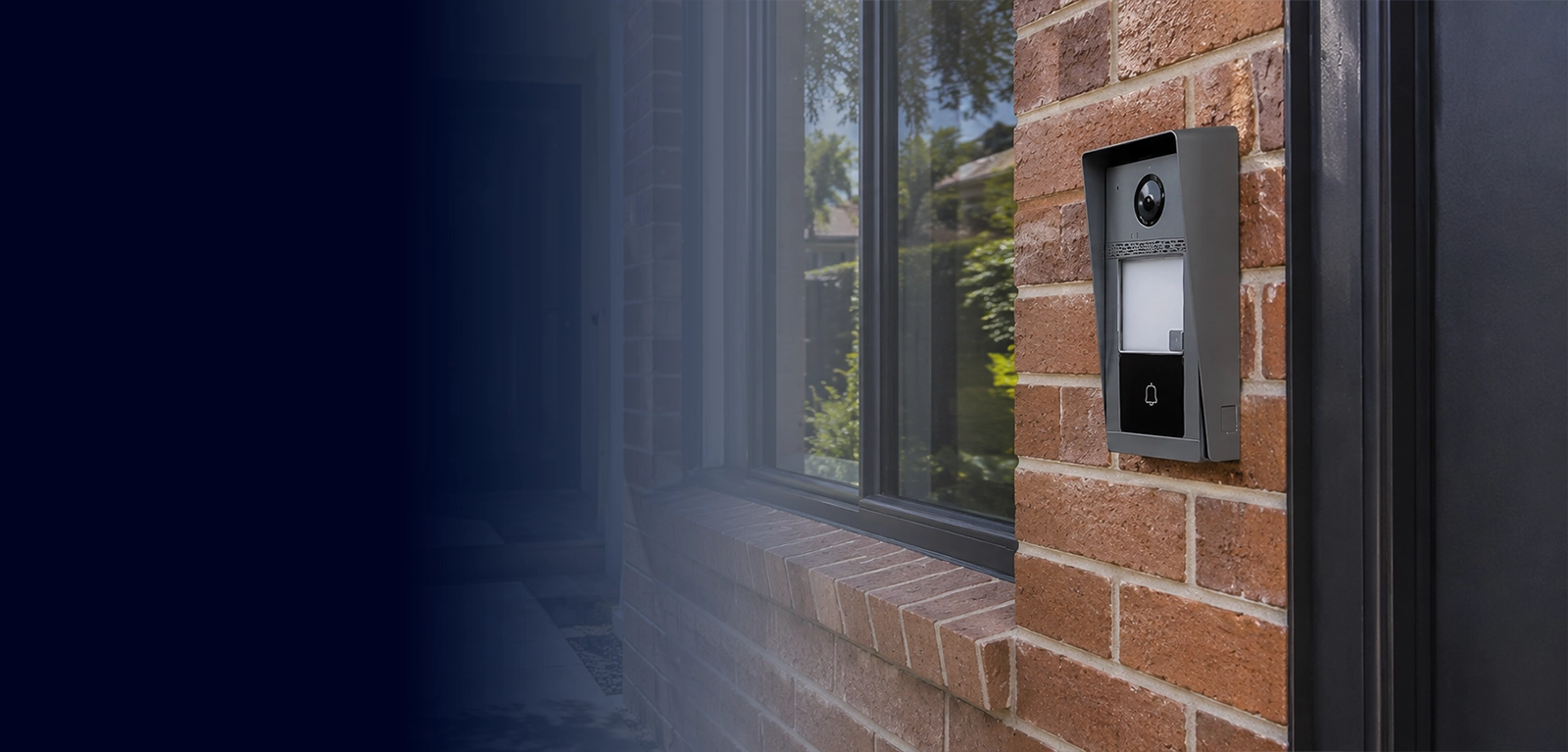
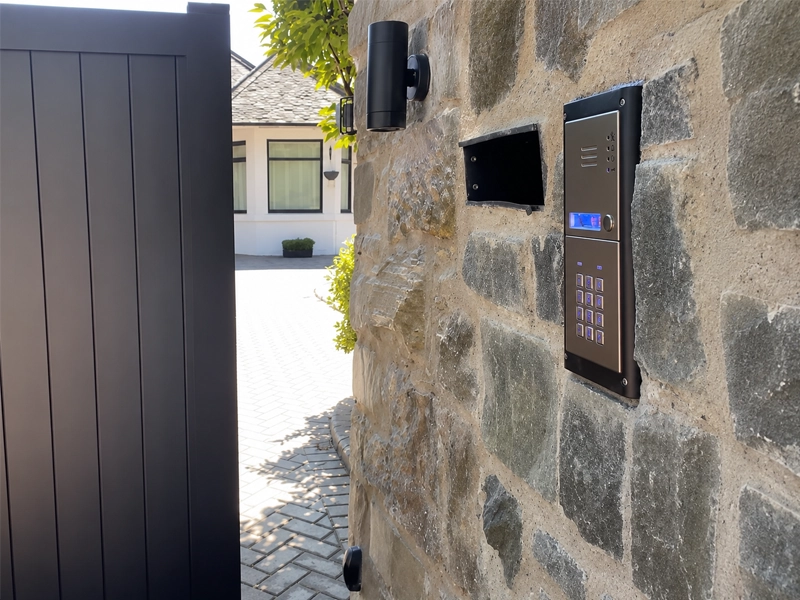
For residential homeowners, the priority is usually a clean front-entry solution with clear call quality, reliable door release and hardware that suits the façade and exposure conditions. In detached homes, duplexes and boutique residential buildings, system selection often comes down to whether the site needs straightforward visitor communication, video verification, mobile answering or integration with an existing gate or door lock.
Where the brief is lighter-touch front entry, a video doorbell installation may be the better fit. Where the site needs a more complete entry system, an intercom installation provides stronger control over call handling, internal stations and release hardware..
Strata Intercom Replacement and Upgrades
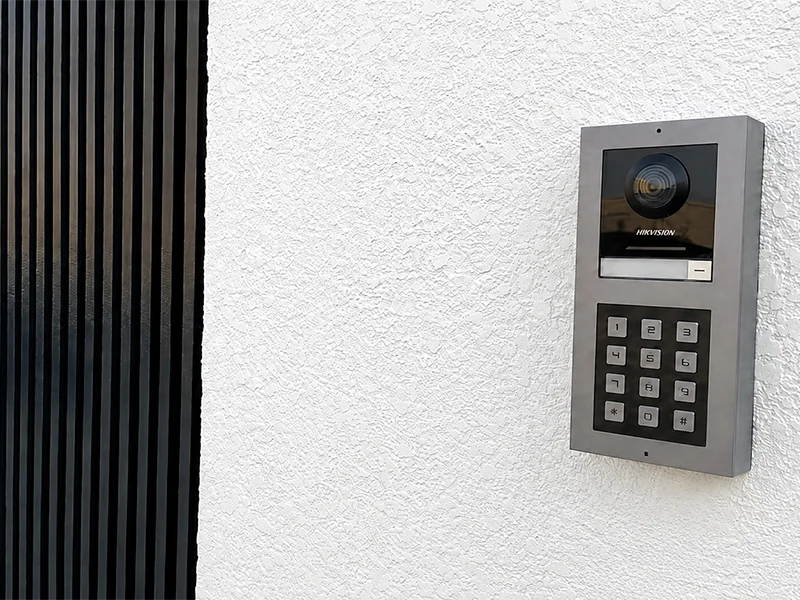
For strata managers and committees, intercom work is usually an upgrade or replacement decision rather than a first-time installation. Older apartment buildings often have unreliable entry panels, obsolete handsets or ageing common-property infrastructure that no longer suits current access requirements. In these cases, the right replacement path depends on tenancy count, common-entry layout, existing cable pathways and whether the building also needs broader support from licensed strata real estate electricians.
This is also where multi-tenant access control integration becomes more important. A strata intercom system may need to handle visitor calling, door release, tenant directory functions and compatibility with newer entry hardware without creating unnecessary disruption across occupied lots.
Commercial Entry and Access Control Systems
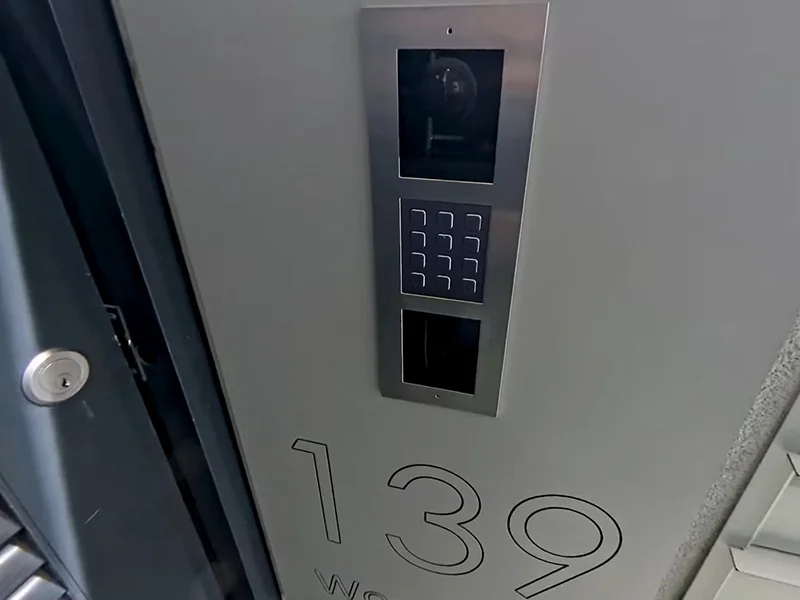
Commercial properties usually require a more controlled entry environment, particularly where there are shared access points, tenancy separation, after-hours access rules or integration with existing locking hardware. In these projects, the intercom is rarely a standalone device. It is typically part of a broader access-control scope tied to door hardware, credentials, internal circulation and site security.
Where the project sits within a broader electrical scope, it should align with the planning and coordination expected from experienced commercial electricians. That becomes especially relevant in mixed-use buildings, office suites and commercial entries where intercom performance, access control and building operation all need to work together.
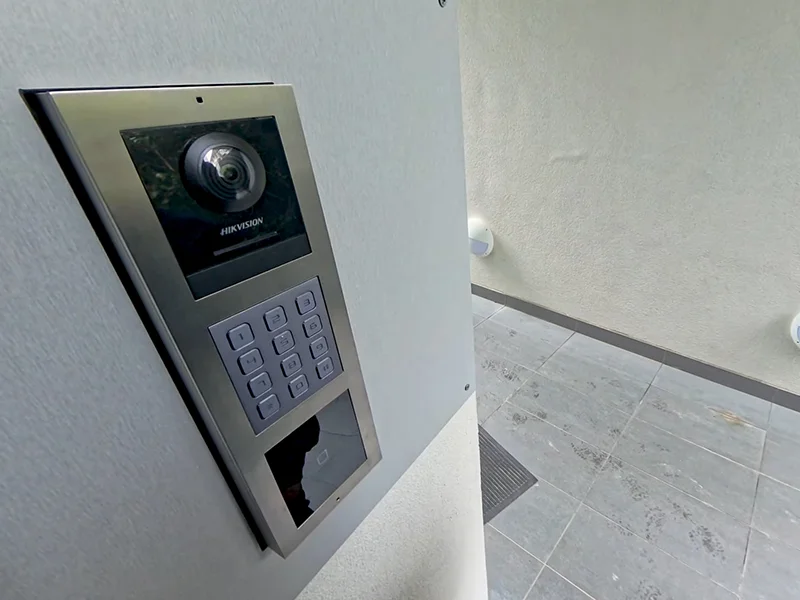
Request a quote for secure access solutions
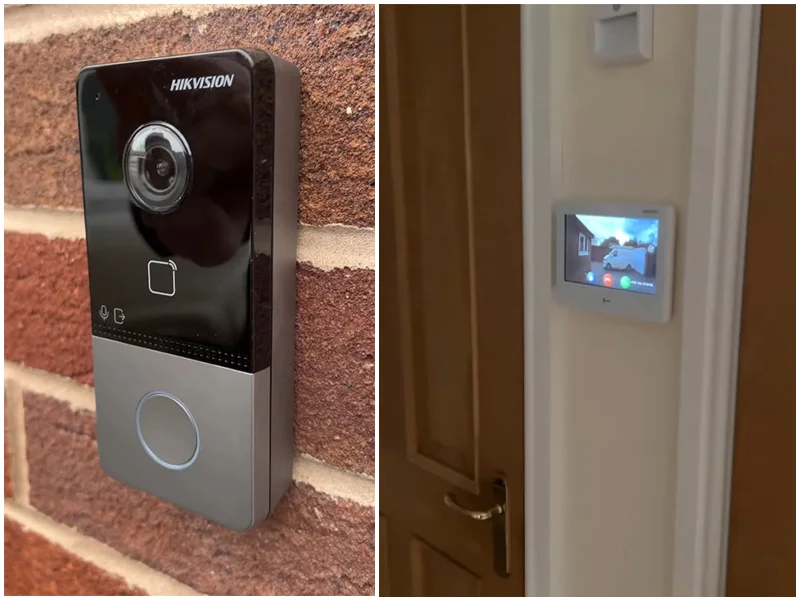
Choosing The Right Intercom System For The Building
The right intercom system is determined by the building, the entry layout, the user count and the level of access control required. For some properties, a straightforward residential door station with internal answering is enough. For others, the brief calls for video verification, mobile answering, networked entry control or a retrofit path that works with existing building infrastructure.
Audio, video and smart intercom options
Audio intercoms still suit some lower-complexity residential entries where the priority is direct visitor communication and door release. Video intercoms are better suited where visual verification matters, particularly for front gates, shared entries and higher-value residential sites. Smart intercom systems extend that further by allowing call handling and release control through approved mobile devices, which can be useful where occupants are not always near an indoor station.
For buildings that need stronger front-entry oversight, integrated systems can also sit alongsideCCTV security camera installation and broader entry security design. The point is not to specify the most feature-heavy system. It is to choose the system that fits the building and how the entry actually operates.
Depending on the building and integration brief, intercom platforms commonly specified across the market include Aiphone, Hikvision, Dahua, 2N, Comelit and Fermax. The right platform depends on the required feature set, infrastructure, access-control scope and long-term serviceability rather than brand recognition alone.
IP systems and 2-wire upgrade pathways
IP video intercom upgrades are often the right choice where the site has suitable network infrastructure, structured cabling capacity and a clear need for scalable device integration. These systems commonly rely on PoE switches, CAT6 UTP cabling and network-aware configuration, and may also interface with SIP-based communication environments where required. That is why the quality of the supporting data cabling installation matters as much as the intercom hardware itself.
That said, IP is not automatically the right answer for every building. In older strata properties, modern 2-wire non-polarised bus systems can provide a more practical upgrade path where existing copper pathways remain serviceable. This is often the better commercial decision when the goal is to modernise a building entry system without assuming a full recable across common areas and occupancies.
Door hardware and access control integration
An intercom installation often includes more than call handling. Depending on the site, the system may also interface with electric door strikes, magnetic locks, dry contact relays and gate controllers. This matters in both strata and commercial settings where entry approval needs to translate into a reliable physical release at the door or gate.
Where access control is part of the scope, lock behaviour also needs to be specified correctly. The difference between fail-safe and fail-secure matters because it affects how the entry behaves during a power-loss condition and must suit the site’s operational requirements. In higher-security environments, the intercom may also be considered alongside alarm system installation so entry management and site security are aligned.
How Calibre Connect assesses the right system
- Inspect the property, entry points and existing infrastructure.
- Define the required user access, call handling and release functions.
- Assess whether the site suits IP, 2-wire or another upgrade path.
- Specify the door station, indoor devices and entry hardware interface.
- Confirm cable routes, power requirements and integration scope.
- Install, configure, test and commission the system for the site.
|
System type |
Best fit |
Typical use case |
Main advantage |
|---|---|---|---|
|
Audio intercom |
Smaller homes and simple entries |
Front entry communication where visual verification is not essential |
Direct visitor communication with lower system complexity |
|
Video intercom |
Homes, duplexes and shared entries |
Residential gates, pedestrian entries and common front doors |
Visual verification before granting access |
|
Smart intercom |
Residential and light commercial sites |
Mobile answering and remote release where occupants are often off-site |
Mobile answering and remote release capability |
|
IP video intercom |
Commercial sites and larger buildings |
Networked buildings requiring broader integration and scalable device management |
Stronger network integration and scalable control |
|
2-wire upgrade system |
Older strata towers and retrofit projects |
Building upgrades where suitable existing copper infrastructure can be retained |
Reuse of suitable infrastructure with reduced disruption |
Sydney-specific Installation and Retrofit Constraints
Intercom installation in Sydney is rarely a standardised exercise. The city’s housing stock spans heritage terraces, Federation-era homes, mid-century apartments and modern strata towers. Each building type affects cable routing, device placement and the upgrade pathway chosen for the property.
Older Sydney homes and concealed cable paths
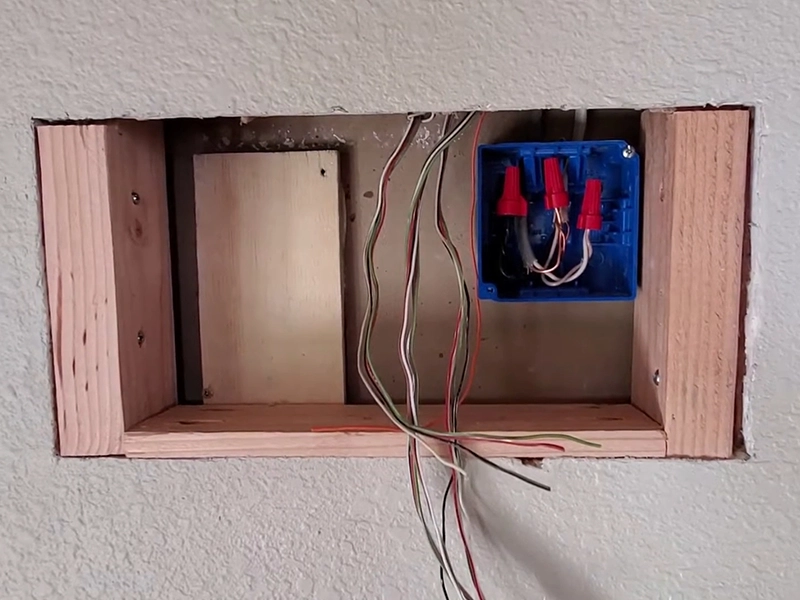
Across the Inner West and surrounding suburbs, many properties are double brick terraces or Federation homes where wall construction limits simple cable routes. Decorative plaster finishes, narrow cavities and original joinery can make concealed pathways more restrictive than in modern framed construction.
In these situations, system selection and device placement need to consider how the intercom can be integrated with minimal disruption to interior finishes. Homes in suburbs such as Surry Hills frequently combine heritage architecture with modern access requirements, so retrofit planning becomes as important as the equipment specification.
Strata towers and legacy infrastructure
Apartment buildings across the North Shore, Sydney CBD and older coastal developments often contain legacy intercom systems installed decades ago. These buildings may have ageing entry panels, unreliable handsets or infrastructure that was not designed for modern video communication or mobile answering.
For strata intercom replacement in Sydney, the first step is understanding how the existing building infrastructure is arranged. Riser cupboards, vertical service pathways and common-area cable routes determine whether a building is better suited to a networked IP upgrade or a modernised 2-wire system that works with existing copper infrastructure.
This approach is common in older towers where replacing every cable pathway would create unnecessary disruption for residents.
Local building stock and scope planning
Sydney’s architectural variety means installers must account for different building fabrics even within neighbouring suburbs. Art Deco apartment buildings, for example, often combine masonry walls with shared entry corridors that influence door station placement and cable routes.
In coastal suburbs such as Bondi and nearby areas like Woollahra, property upgrades may also coincide with ageing wiring infrastructure or staged building refurbishments. In those situations, intercom upgrades are frequently coordinated alongside broader electrical works to ensure the entry system integrates cleanly with the building’s existing services.
Understanding these local construction patterns allows the installation approach to be tailored to the property rather than forcing a generic system into conditions it was not designed for.
Outdoor Durability, Weather Exposure and IP-rated Hardware
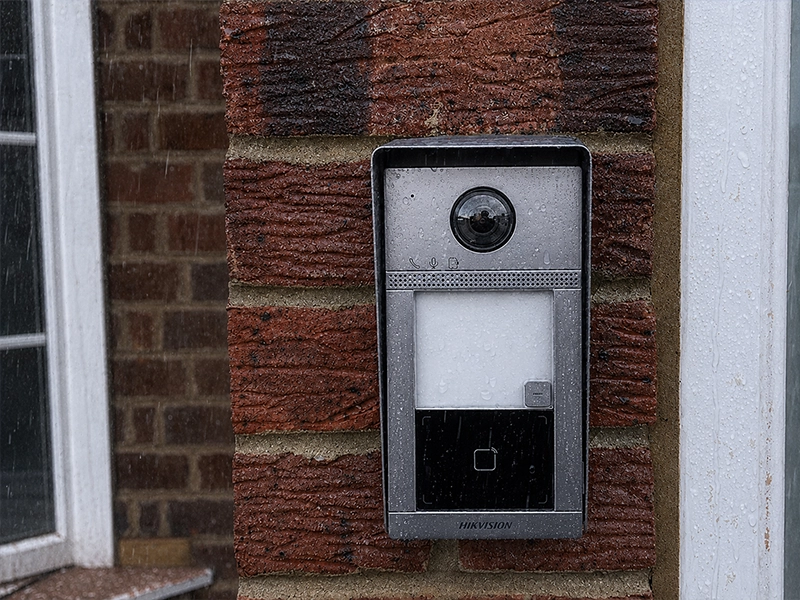
External intercom equipment in Sydney must be selected with environmental exposure in mind. Entry panels, cameras and release controls are typically mounted at gates, pedestrian entries or building façades where they are exposed to weather, temperature variation and moisture. Hardware durability therefore becomes a specification decision rather than a cosmetic one.
Coastal exposure and external door station selection
In coastal parts of Sydney, particularly across the Eastern Suburbs and other salt-exposed locations, coastal salt air corrosion can shorten the service life of poorly specified entry hardware. Door stations installed near the ocean often benefit from marine-grade stainless steel construction and weather shielding that protects the electronics and the external finish from ongoing exposure.
This is especially relevant where the intercom station faces prevailing winds or is mounted on an exposed gate pillar. In these situations, selecting the correct enclosure material and mounting arrangement helps maintain long-term reliability and visual condition.
IP-rated protection and weather shielding
Outdoor intercom equipment is commonly specified using IP ratings, which indicate how well a device is protected against moisture and solid particles. For entry systems, the practical difference usually lies in how well the unit is sealed and shielded in its mounting position rather than the rating alone.
Door stations installed in exposed areas may require equipment with IP65 protection or higher, sometimes combined with IP67-rated weather shields or recessed mounting to limit direct water exposure. Where the site has a higher risk of impact or tampering, vandal-resistant door station selection may also be relevant. The goal is not simply to meet a specification label but to ensure the intercom remains reliable in real operating conditions across Sydney’s varying climate.
Install a reliable audio or video intercom system
Compliance and Installation Standards
Intercom installations often sit across both regulated electrical work and customer cabling scope, so compliance needs to be addressed at specification stage rather than treated as a formality after installation. For Calibre Connect, that means the electrical components of the work are carried out in line with AS/NZS 3000:2018, while customer cabling scope is handled in accordance with AS/CA S009:2020 and the applicable ACMA cabling requirements.
Where the project includes door release hardware, power supplies, network-connected intercom equipment or associated entry-control interfaces, the installation standard has to cover more than the visible door station. It also has to account for the supporting electrical and communications infrastructure behind the system so the finished installation is safe, serviceable and appropriate for the building. If older building infrastructure lacks adequate power supply or circuit protection for these new loads, an electrical switchboard upgrade may be necessary to support the modern access-control hardware safely.
This matters most on retrofit work, where older infrastructure can create hidden constraints that are not obvious from the entry panel alone. A compliant installation therefore starts with the site conditions, the cable path, the equipment interface and the intended operating environment, then carries those decisions through to the final system configuration.
For safety and compliance, intercom installations involving regulated electrical work or customer cabling should not be treated as DIY work. Incorrect power, sealing or cabling practices can affect reliability, compliance and user safety.

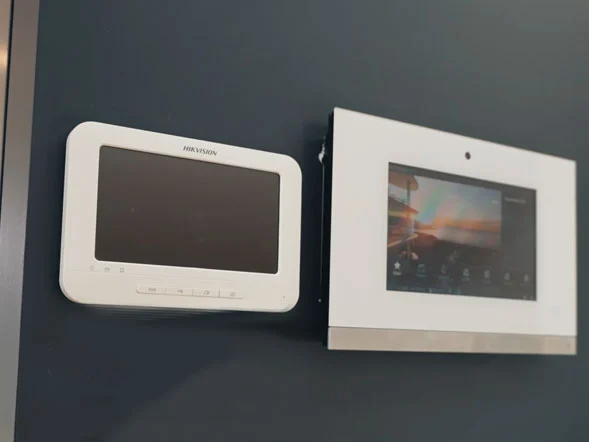
Signs You Need Intercom Installation Sydney
Unclear Audio or Video Quality – Your existing intercom produces static, distorted voices, or grainy video images. Degraded performance indicates aging components, damaged cabling, or outdated technology that modern systems will resolve.
No Visual Verification at Entry Points – Audio only intercoms leave you guessing who stands at your front door or gate. Video intercom systems display clear images of visitors before you grant access, a security feature now considered standard for Sydney properties.
Expanding Property Access Points – New gates, additional entry doors, or granny flat constructions require extended intercom coverage. Your current single station setup cannot accommodate multiple access points without professional system expansion or replacement.
Integration Requirements with Security Systems – Modern security demands connected solutions. If your intercom operates independently from your CCTV cameras, alarm system, or access control, you’re missing centralised monitoring capabilities that integrated installations provide.
Frequent System Failures or Repairs – Intercoms requiring regular troubleshooting, replacement parts, or technician visits cost more over time than new installations. Persistent connectivity issues, power failures, or unresponsive stations signal end of service life for your current equipment.
Building Code or Insurance Updates – Strata requirements, insurance policies, or updated building regulations may mandate specific intercom standards. Commercial properties and multi-unit residential buildings often require compliant video entry systems for certification.
Our Intercom Installation Sydney Process
Intercom installation begins with a comprehensive site assessment. Our electricians inspect your property, identify optimal placement for indoor stations and outdoor units, and assess existing cabling infrastructure.
Step 1: Consultation and Recommendation
We discuss your security needs, budget parameters, and feature preferences. You’ll receive recommendations for suitable intercom systems based on your property size, entry points, and integration requirements.
Step 2: Detailed Quote Preparation
A written quote outlines all costs, including equipment, cabling, labour, and any electrical upgrades required. You approve the scope before we schedule installation.
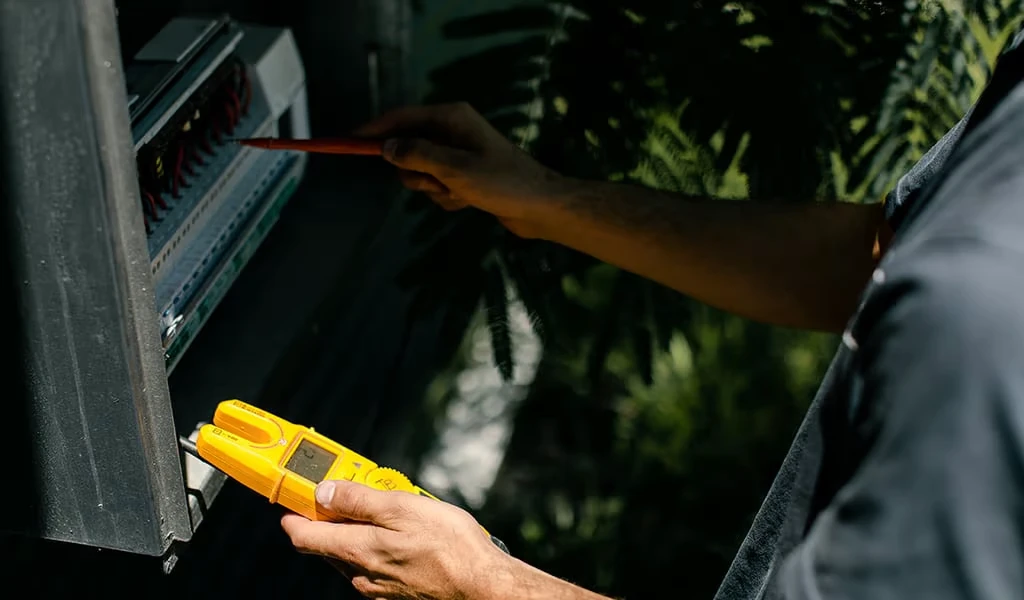
Step 3: Professional Installation and System Configuration
Our licensed electricians install your intercom system according to manufacturer specifications and Australian electrical standards. Cabling is concealed where possible, then we program stations, configure video settings, and connect the system with other security components.
Step 4: Testing, Training and Handover
We test every function thoroughly to confirm the system is working correctly. You’ll receive complete instruction on how to operate your new intercom, along with documentation, warranty information, and service contact details for future support.
Why Choose Calibre Connect for Intercom Installation in Sydney
Intercom installation needs to be matched to the building, the entry layout, and the level of access control the site actually requires. A simple residential front gate system is a different scope from a strata upgrade with shared entry infrastructure or a commercial entry tied to controlled access hardware. Calibre Connect installs intercom systems across Sydney with compliant electrical and cabling scope, practical system selection, and clean integration with the building.
Licensed Installation With Electrical and Cabling Scope Managed Properly
Intercom projects often sit across both regulated electrical work and customer cabling. Calibre Connect completes installations with the relevant electrical and cabling requirements addressed from the start, including AS/NZS 3000 and AS/CA S009 compliance where applicable.
Intercom Systems Matched to the Building, Not a Generic Kit
The right intercom system depends on the building type, user count, entry points, and access-control requirements. We assess whether the property is better suited to audio, video, smart, IP, or 2-wire upgrade pathways rather than forcing one standard solution across every site.
Suitable for Homes, Strata, and Commercial Properties
We install intercom systems for detached homes, duplexes, apartment buildings, strata complexes, offices, and commercial sites across Sydney. That includes straightforward residential entry systems, multi-tenant building upgrades, and more integrated access-control environments.
Practical Upgrade Pathways for Older Sydney Buildings
Many Sydney intercom projects are upgrades rather than first-time installations. We regularly work with older homes, legacy strata infrastructure, and existing copper pathways, helping determine whether the right outcome is a modern IP system or a practical 2-wire retrofit approach.
Door Release and Access-Control Integration
An intercom is often only part of the entry system. Depending on the site, we integrate intercoms with electric strikes, magnetic locks, gate controllers, and release hardware so visitor communication and physical access work together properly.
Outdoor Hardware Selected for Sydney Conditions
External entry panels need to suit the real operating environment. We specify door stations and outdoor hardware with the right weather protection, sealing, and corrosion resistance for Sydney conditions, including exposed gates, façades, and coastal properties.
What Our Clients Say About Calibre Connect Intercom Installation
Service Areas: Intercom Installation Matched to Sydney Building Types
The building type, the entry layout, and the condition of the existing infrastructure all affect what a practical intercom installation looks like. A Federation home with limited concealed cable paths needs a different approach to a strata tower with legacy risers, or a commercial site requiring controlled access integration.
Here’s how we tailor intercom installations across Greater Sydney:
Inner West (Older Homes, Double Brick Walls, and Retrofit Constraints)
In suburbs like Leichhardt, Annandale, and Marrickville, we often work in older homes and terraces with double brick walls, decorative plaster finishes, and tighter concealed cable pathways.
Typical challenge: older building fabric can limit cable routes and make it harder to install an intercom neatly without unnecessary disruption.
Our approach: assess the entry layout and available pathways early, then specify a system and device positions that suit the building while keeping the installation clean and practical.
Eastern Suburbs (Coastal Homes and Exposed Entry Stations)
For homes in Bondi, Coogee, Rose Bay, and nearby coastal areas, external intercom stations are often mounted at gates, façades, and exposed pedestrian entries.
Typical challenge: salt air, moisture, and weather exposure can shorten the life of poorly specified door stations and external hardware.
Our approach: recommend IP-rated outdoor hardware, suitable weather shielding, and corrosion-resistant materials so the entry system remains reliable in exposed coastal conditions.
North Shore (Strata Buildings and Legacy Apartment Infrastructure)
In areas like North Sydney, Chatswood, and Lane Cove, intercom projects are often upgrade works in apartment buildings with ageing panels, obsolete handsets, and shared building infrastructure.
Typical challenge: legacy cable pathways, riser access, and common-property infrastructure can make a full recable disruptive and unnecessary.
Our approach: review the existing building layout and infrastructure, then determine whether the site is better suited to a modern IP upgrade or a 2-wire retrofit pathway that reduces disruption.
Sydney CBD and Inner City (Apartments, Mixed-Use Buildings, and Access Coordination)
In the CBD, Surry Hills, Zetland, and surrounding inner-city areas, intercom systems often need to work within denser buildings, mixed-use entries, and tighter access conditions.
Typical challenge: shared entry points, restricted pathways, and the need to coordinate intercom upgrades around building management and occupied lots.
Our approach: plan the installation around the building’s entry circulation, access requirements, and existing services so the system integrates cleanly without avoidable disruption.
Hills District (Modern Homes, Gates, and Smart Entry Expectations)
For larger homes in Castle Hill, Kellyville, and Baulkham Hills, intercom installations often involve driveway gates, modern façades, and homeowner demand for video verification or mobile answering.
Typical challenge: the system needs to do more than provide basic call audio. It often needs to integrate with gate release, internal stations, and smartphone-based answering.
Our approach: specify a system that matches the actual entry pattern and user expectations, with practical planning around gate hardware, power requirements, and device placement.
Commercial and Strata Sites (Controlled Access and Multi-User Entry)
Across offices, mixed-use buildings, and larger strata sites throughout Sydney, intercom installations are often tied to access-control logic rather than just visitor communication.
Typical challenge: the intercom has to work reliably with door hardware, release control, tenancy access, and broader building circulation requirements.
Our approach: define the access-control scope early, coordinate the intercom with the relevant door or gate hardware, and commission the system so communication and release functions work as one entry solution.
Frequently Asked Questions
Book an Intercom Installation in Sydney
If you need intercom installation in Sydney for a home, strata building or commercial property, Calibre Connect can assess the site and recommend the right system for the building and entry layout.
A site inspection allows the installation scope, infrastructure condition and access-control requirements to be reviewed before the system is specified. This ensures the intercom solution suits the property and integrates correctly with the entry hardware and existing services. Calibre Connect also assists with intercom upgrades, replacement of ageing entry panels and maintenance-led replacement planning for existing systems.