




Signs You Need Exhaust Fan Installation
Persistent Moisture on Walls and Ceilings
Water droplets forming on bathroom walls after showers indicate inadequate ventilation. This condensation seeps into paint and plaster, causing bubbling and peeling. An exhaust fan removes humid air before it settles on surfaces.
Mould and Mildew Growth
Black spots appearing in corners, around windows, or on grout signal a serious moisture problem. Mould poses health risks and damages building materials. Proper exhaust fan installation creates airflow that keeps humidity levels low enough to prevent mould colonies from establishing.
Foggy Mirrors That Won’t Clear
Steam lingering in your bathroom long after you’ve finished showering means air isn’t circulating. This trapped moisture affects everything in the room. A correctly sized exhaust fan clears steam within minutes.
Musty Odours in Enclosed Spaces
Stale, damp smells in bathrooms, laundries, or kitchens indicate poor air quality. These odours come from bacteria and mould thriving in humid conditions. Exhaust fans introduce fresh air movement that eliminates these smells at their source.
Paint Deterioration and Timber Damage
Peeling paint, warped door frames, and swelling cabinetry all point to excess moisture. Without ventilation, humid air attacks every surface. The cost of exhaust fan installation is far less than repairing water-damaged interiors. Early action protects your property.
Calibre Connect installs and upgrades exhaust fans with a compliance-first approach and practical performance outcomes. We size fans using extraction rates expressed in m³/h or L/s, plan duct routes to minimise restrictions, and specify external terminations that suit the building and exposure. For wet areas, we select equipment and controls appropriate to the zone and usage, including run-on timers and humidity sensing where required. Across Sydney, we regularly work in double brick Federation homes and Paddington terraces with tight roof spaces, and in strata apartments where access, approvals and concrete slab constraints shape the most suitable ventilation solution.
Compliant Exhaust Fan Installation in Sydney
Exhaust fan work is not just swapping a unit. Performance depends on correct selection, ducting and termination, and compliant electrical installation. Calibre Connect completes exhaust fan installations across Sydney in accordance with AS/NZS 3000:2018 (Wiring Rules) and AS/NZS 1668.2 (Mechanical ventilation), with ventilation outcomes aligned to the building compliance context set by the National Construction Code (NCC). All work receives a Certificate of Compliance for Electrical Work (CCEW).
Standards, Ventilation Compliance, and Certification
We specify and install exhaust fan systems to suit the room and the intended ventilation outcome, then complete wiring and connection works in line with the Wiring Rules. Ventilation selection and installation are aligned to AS/NZS 1668.2 mechanical ventilation requirements, with the NCC providing the broader building compliance framework for ventilation. At completion, we provide the CCEW as the electrical compliance record for the work performed.
Safety Checks That Matter
Exhaust fans operate in moisture-prone spaces and often run for extended periods. As part of the installation scope, we confirm appropriate electrical safety protections such as RCD and safety switch coverage where applicable, and ensure earthing and bonding considerations are addressed for the installation context. Where legacy protection or wiring limits compliant protection, we define the correct upgrade pathway before proceeding.
Why Sizing and Ducting Affect Real-World Performance
Fan capacity must suit the room and the moisture load. We size exhaust fans using extraction rates expressed in m³/h or L/s, then plan ducting to reduce restrictions. Long duct runs, tight bends, undersized ducting and poor terminations can reduce effective extraction, even when the fan itself is rated appropriately. Noise performance is considered using dB ratings, but selection focuses on suitability for the duct route and the space, not just the lowest number.
Request a quote for exhaust fan installation
Bathroom and Wet Area Exhaust Fans (Zone 1 and Zone 2)
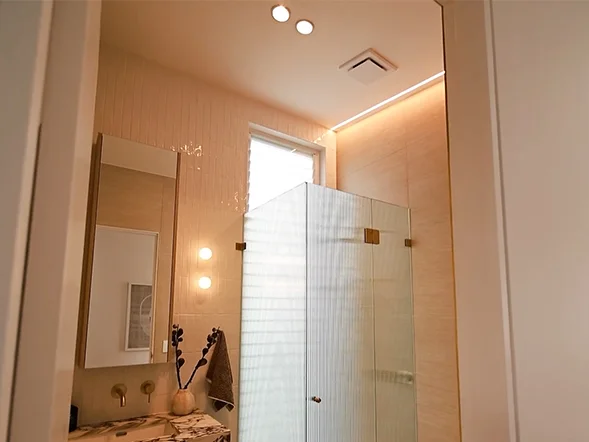
Bathrooms, laundries and other wet areas add requirements that must be specified correctly for both safety and long-term reliability. Calibre Connect installs exhaust fans in wet areas with equipment selection and placement aligned to the location, the moisture load, and the applicable wet area zoning requirements.
Wet Area Zoning and IP Ratings
Wet area installations are specified to Zone 1 and Zone 2 requirements with an appropriate IP rating selected for the location. Depending on the placement and exposure, this may include equipment specified to IPX4 or IP44 where applicable. The installation method, wiring, and safety protections are completed in accordance with AS/NZS 3000:2018, and ventilation outcomes are aligned to AS/NZS 1668.2.
Controls That Work in Real Bathrooms
The control strategy often determines whether the fan actually manages moisture effectively. We install and configure practical controls based on how the space is used, including:
These controls help keep ventilation running long enough to manage humidity after showers and reduce condensation risk on surfaces.
Noise and Comfort
Noise matters in bedrooms, ensuites and apartment bathrooms. We consider fan noise in dB as part of selection, but the final outcome depends on fan type, ducting, and termination. The goal is an installation that is suitable for the space and duct route, rather than choosing purely on the lowest published noise figure.
High Performance Inline Exhaust Fans and Ducting (Moisture Control)
Where roof space is limited, duct routes are long, or moisture loads are high, a standard ceiling fan is not always the best fit. Calibre Connect specifies and installs inline exhaust fan systems to suit the building constraints and the ventilation outcome, with ducting and terminations planned to support real-world extraction.
Inline Fans for Limited Roof Space and Difficult Moisture Problems
In double brick Federation homes and Paddington terraces, roof spaces can be tight and duct routes can be constrained by structure, heritage finishes, and existing services. In these settings, a high-capacity inline fan can provide better extraction performance across longer duct runs, helping to manage humidity and condensation more effectively than low-capacity ceiling units when the pathway is challenging. Selection is based on the room size, moisture load, duct route constraints, and the most suitable termination point.
Selecting Capacity (Extraction Rates)
We size fans using extraction rates expressed in m³/h or L/s to suit the space and the intended ventilation outcome. Effective extraction is influenced by the room volume and moisture load, but it is also heavily affected by the duct system. Longer duct runs and tighter bends increase resistance and can reduce delivered airflow, so sizing and duct design are considered together.
Ducting and Termination Checklist
For consistent performance, ducting and termination are planned as part of the system, not treated as an afterthought:
Inline vs Ceiling Fan Selection Table
|
Scenario |
Recommended fan type |
Why it suits |
Notes |
|---|---|---|---|
|
Short duct route and straightforward roof access |
Ceiling mounted exhaust fan |
Simple installation pathway and direct extraction |
Ensure correct wet area zone and IP rating selection |
|
Long duct runs or multiple bends |
Inline fan system |
Better suited to higher resistance duct routes |
Duct design and termination have a large impact on delivered airflow |
|
Tight roof space in older homes and terraces |
Inline fan system |
Flexible placement can suit constrained pathways |
Plan access and serviceability at the same time |
|
High moisture load and frequent use |
Inline fan system or higher capacity ceiling unit |
Supports stronger extraction for regular use |
Controls such as run-on timers and humidity sensors help real outcomes |
|
Apartment bathrooms with limited ceiling cavity |
Site-dependent |
Selection depends on cavity space and pathway options |
Strata access and approvals may affect pathway choices |
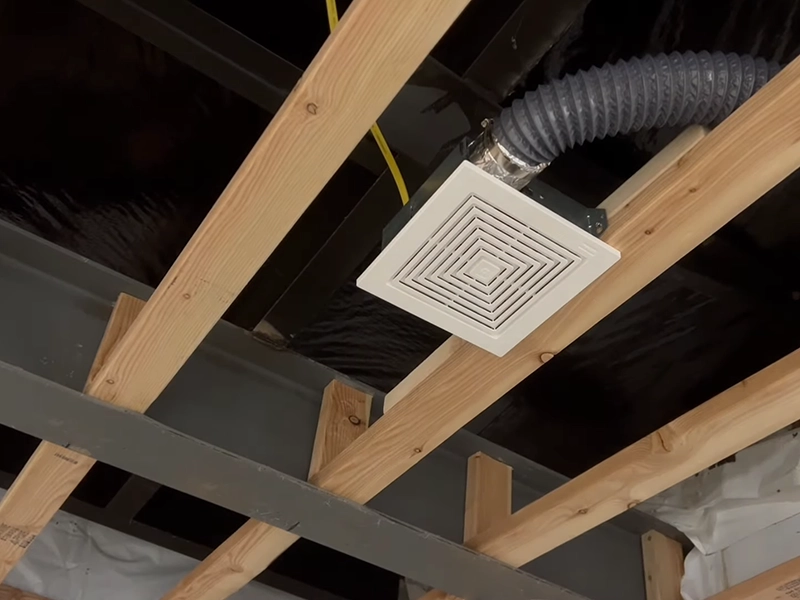
Install an exhaust system that removes moisture properly
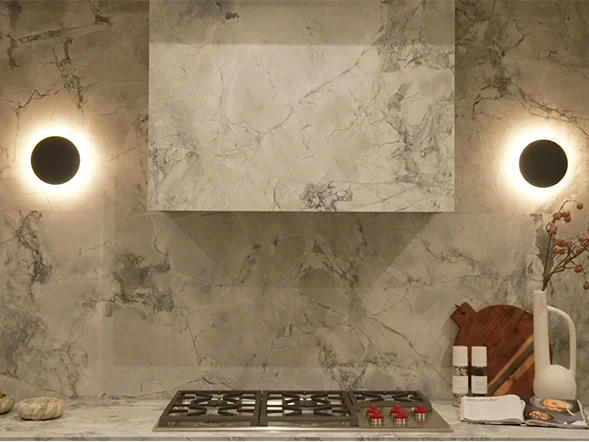
Rangehood Installation Sydney (Kitchen Ventilation)
Kitchen extraction works best when the appliance, duct route, and termination are treated as a complete system. Calibre Connect completes rangehood installation in Sydney with ducting and termination planned to support effective extraction and maintainable outcomes, and with electrical work completed in accordance with AS/NZS 3000:2018. Where kitchen ventilation outcomes form part of a broader ventilation scope, installation is aligned to AS/NZS 1668.2 principles for mechanical ventilation.
Ducted Rangehood Installs and Termination Pathways
Ducted rangehood installations rely on a practical duct route and a suitable external termination point. We plan the route to minimise restrictions and avoid unnecessary bends, then specify an appropriate termination pathway through to an external vent or roof cowl where applicable. Where required, we also specify components that help manage reverse airflow and drafts so the system remains effective in real use.
Recirculating Rangehood Limitations
Recirculating rangehoods can be suitable where a compliant duct route and external termination is not practical, but they do not remove moisture and cooking by-products in the same way a ducted system does. Where possible, a ducted pathway provides a more effective extraction outcome, subject to the building constraints and access conditions.
Strata and Commercial Exhaust Fan Installations
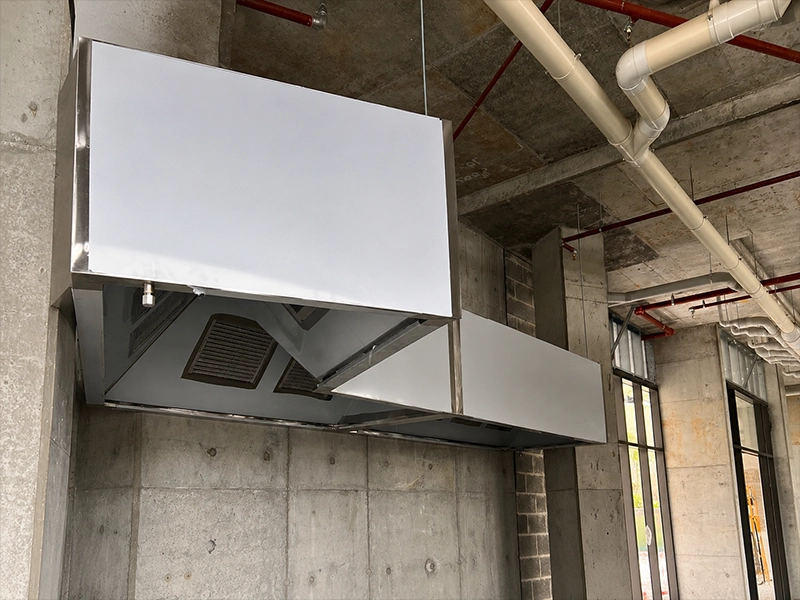
Strata and commercial exhaust fan projects often involve more than the fan itself. Access constraints, building pathways, approvals, and the feasibility of duct routes and terminations shape what is practical. Calibre Connect works with strata managers, commercial property managers and builders to define a compliant scope, coordinate access, and deliver installations with minimal disruption to occupants.
Strata Approvals and Access Planning
In strata environments, planning is essential. We coordinate the installation scope around building access requirements, any restricted work hours, and the practical constraints of ceiling cavities, risers, and service pathways. Where approvals are required for penetrations or changes to common property elements, we provide clear scope information to support the approval process and plan works to suit the building’s access and shutdown windows.
Core Drilling and Concrete Slab Ceilings
In Art Deco blocks, CBD apartments, and high density strata towers, concrete slab ceilings and limited ceiling cavities can restrict duct routes and fan placement options. Where a compliant pathway requires penetration through masonry or concrete, we coordinate core drilling where required and plan the duct route, termination location, and reinstatement approach as part of the scope. The aim is a tidy, serviceable outcome that respects building finishes and reduces future maintenance issues.
Electrical Upgrades That Affect Exhaust Fan Compliance
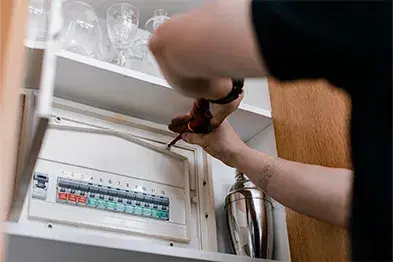
Exhaust fan installations in bathrooms, laundries and kitchens rely on compliant electrical protection. As part of defining the scope, Calibre Connect confirms appropriate safety protections are in place and that the circuit protection and installation context support safe operation, particularly in older Sydney properties.
RCD and Safety Switch Compliance
Where applicable, we confirm RCD and safety switch protection for exhaust fan circuits and associated controls. This is particularly important in wet areas where electrical safety requirements are higher and where ventilation equipment may operate for extended periods via run-on timers or humidity control.
In older strata buildings, upgrade costs can sometimes be reduced where suitable existing copper infrastructure can be retained. This is one reason modern 2-wire non-polarised bus systems remain commercially relevant in Sydney retrofit work. They can provide a practical replacement pathway where a full recable would add disruption and labour without improving the outcome for the building.
For Calibre Connect, the right basis for pricing is a site inspection, followed by a formal quote aligned to the property, infrastructure condition and required system scope.
Legacy Protection and Ageing Wiring
In older homes and strata buildings, legacy protection such as ceramic fuses, ageing wiring, or outdated switchboard configurations can prevent compliant protection outcomes. Where these conditions are present, we recommend the appropriate upgrade pathway to achieve compliant protection before completing the final installation scope.
For work that requires upgrades at the board level, see switchboard upgrades.
All electrical work is completed in accordance with AS/NZS 3000:2018, and all work receives a Certificate of Compliance for Electrical Work (CCEW).
Outdoor Terminations and Coastal Durability
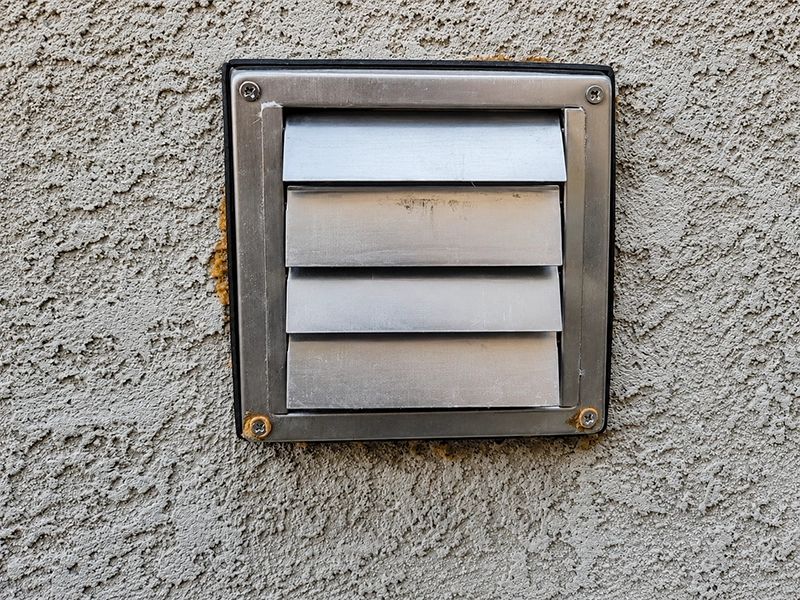
Exhaust fan performance depends on how the system terminates externally. A well-selected fan can still underperform if the termination is restrictive, poorly sealed, or exposed in a way that accelerates corrosion. Calibre Connect specifies external terminations to suit the building, the duct pathway, and the exposure conditions, with a focus on durability and maintainable outcomes.
External Vents, Sealing, and Exposure
Where terminations are exposed externally, components are selected and installed to suit weather exposure and the installation environment. This includes correct vent selection, sealing, and placement to manage moisture ingress and reduce the risk of premature deterioration. Where applicable, exposed external components are specified with an appropriate protection level, including IP65 where exposure conditions require it.
Coastal Salt Air Corrosion (Eastern Suburbs, Northern Beaches)
In coastal suburbs across the Eastern Suburbs and Northern Beaches, salt air corrosion can accelerate degradation of external vents, fixings and terminations. Where appropriate, we specify 316 marine grade stainless steel external vents and corrosion-resistant fixings to improve long-term durability, particularly for exposed terminations subject to salt-laden air and high humidity.
Our Exhaust Fan Installation Process
Step 1: Initial Consultation
You contact our team and describe your ventilation needs. We ask about the room type, size, and any existing fans so we can understand the best exhaust fan solution for your space.
Step 2: On-Site Assessment
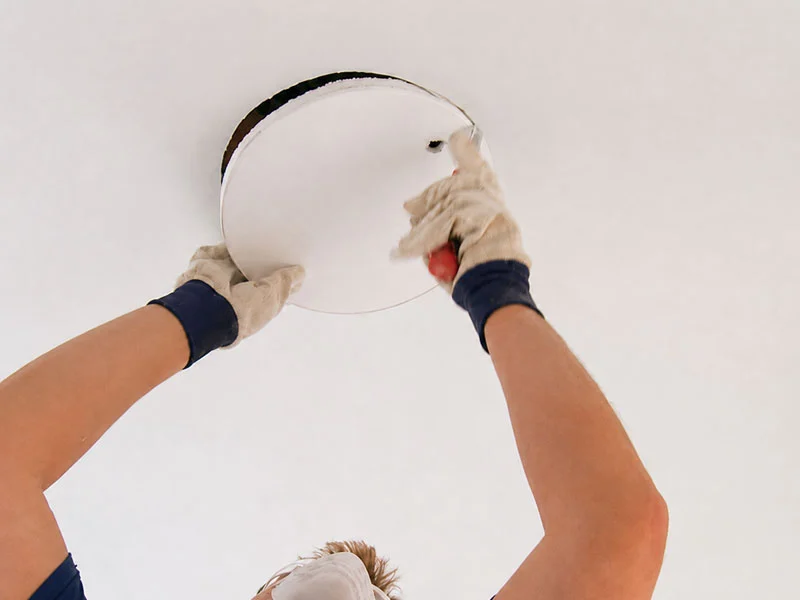
Our electrician inspects the installation location, checking ceiling cavity access, existing wiring, and external venting options. Wall-mounted installations may require different preparation than ceiling-mounted units.
Step 3: Fan Selection and Quote
Based on the assessment, we recommend a suitable exhaust fan setup and provide an upfront quote covering the unit, labour, and any ducting required.
Step 4: Professional Installation, Testing and Handover
Once approved, we complete the installation by cutting precise openings, running electrical connections to Australian standards, and securing ducting to external vents where needed. We then test airflow, check switches, demonstrate operation, and clean up the work area before handover.
Why Choose Calibre Connect for Exhaust Fan Installation in Sydney
Effective ventilation depends on more than the fan itself. The correct fan capacity, duct route, termination pathway, and compliant electrical installation all affect whether moisture and odours are actually removed from the space. Calibre Connect installs exhaust fan systems across Sydney with equipment matched to the room, ducting planned to support airflow, and all electrical work completed in accordance with AS/NZS 3000 and AS/NZS 1668.2.
Exhaust Fans Sized for Real Ventilation Performance
A fan that is undersized or poorly ducted will struggle to remove humidity effectively. We size exhaust fans using extraction rates expressed in m³/h or L/s, considering room size, moisture load, and duct resistance so the system delivers practical ventilation performance rather than just theoretical airflow.
Compliant Electrical Installation for Wet Areas
Bathrooms and laundries introduce electrical safety requirements that must be addressed during installation. We complete wiring and connections in accordance with AS/NZS 3000:2018 (Wiring Rules), specify equipment suited to the wet area zone, and ensure the installation aligns with applicable ventilation principles under AS/NZS 1668.2.
Inline Fan Solutions for Difficult Roof Spaces
In many Sydney homes, particularly older terraces and Federation properties, roof spaces are tight and duct pathways can be restrictive. Where standard ceiling fans cannot provide effective extraction, we specify inline exhaust fan systems that perform better across longer duct routes.
Practical Ducting and External Termination Planning
The duct pathway has a major impact on delivered airflow. We plan duct runs to minimise bends and restrictions, specify suitable roof cowls or external vents, and install backdraft protection where applicable so the ventilation system performs reliably in real conditions.
Suitable for Homes, Strata Buildings and Commercial Properties
Calibre Connect installs exhaust fan systems across residential homes, apartment buildings, and commercial sites throughout Sydney. Each installation is planned around the building type, access conditions, and ventilation pathway options available.
Electrical Safety Checks as Part of the Installation
Exhaust fans operate in moisture-prone environments and often run for extended periods. As part of the scope, we confirm appropriate electrical protections such as RCD and safety switch coverage where applicable and ensure the installation context supports safe long-term operation.
What Our Clients Say About Calibre Connect Electrical
Service Areas: Exhaust Fan Installation Matched to Sydney Building Types
The building type, roof space configuration, and available duct pathways all affect what a practical ventilation solution looks like. A Federation terrace with limited roof access requires a different approach to a modern apartment with a concrete slab ceiling or a coastal home exposed to salt air.
Here’s how we tailor exhaust fan installations across Greater Sydney:
Inner West (Federation Homes and Tight Roof Spaces)
In suburbs like Leichhardt, Marrickville and Annandale, many homes feature older roof structures and double brick walls that limit duct routing options.
Typical challenge: tight roof cavities, existing services in the ceiling space, and duct routes constrained by the building structure.
Our approach: assess the available pathway and specify either a ceiling fan or an inline system suited to the duct route so extraction performance remains effective.
Eastern Suburbs (Coastal Exposure and Salt Air)
In coastal areas such as Bondi, Coogee and Maroubra, external vent terminations are exposed to weather and salt-laden air.
Typical challenge: corrosion of external vents, fixings and roof terminations in coastal conditions.
Our approach: specify durable vent hardware and corrosion-resistant components where exposure conditions require it, including marine-grade materials for highly exposed locations.
North Shore (Strata Apartments and Concrete Ceilings)
Across North Sydney, Chatswood and Lane Cove, exhaust fan upgrades often take place in apartment buildings with limited ceiling cavities and shared building infrastructure.
Typical challenge: concrete slab ceilings and restricted access to duct routes or termination points.
Our approach: assess pathway feasibility, coordinate with strata access requirements, and plan the installation around the available ceiling space and building constraints.
Inner City (Heritage Terraces and Renovated Bathrooms)
In suburbs such as Paddington, Surry Hills and Redfern, ventilation upgrades frequently occur during bathroom renovations within older terrace homes.
Typical challenge: heritage construction, tight ceiling spaces and the need to install effective ventilation without disrupting building finishes.
Our approach: plan duct routes carefully and specify equipment that suits the available roof space and access conditions.
Hills District (Modern Homes and Large Bathrooms)
In Castle Hill, Kellyville and Baulkham Hills, newer homes often include larger bathrooms, multiple wet areas and higher moisture loads.
Typical challenge: managing ventilation across larger bathrooms, ensuites and laundries that generate more humidity.
Our approach: size fans appropriately and incorporate controls such as run-on timers or humidity sensors to maintain effective moisture extraction.
Sydney Commercial and Strata Projects (Access and Coordination)
Across Sydney commercial sites and larger strata buildings, exhaust fan work often requires coordination with building access windows and shared infrastructure.
Typical challenge: restricted work hours, shared building services and the need to coordinate installation without disrupting occupants.
Our approach: plan the ventilation pathway and electrical scope around building access requirements while delivering a tidy and serviceable installation outcome.
FAQs — Exhaust Fan Installation Sydney
Book an Exhaust Fan Installation in Sydney Today
If you need a bathroom exhaust fan upgrade, an inline fan solution for limited roof space, rangehood installation, strata apartment ventilation works, or compliant external terminations for coastal exposure, contact Calibre Connect to arrange a site assessment and define the right scope for your building.