



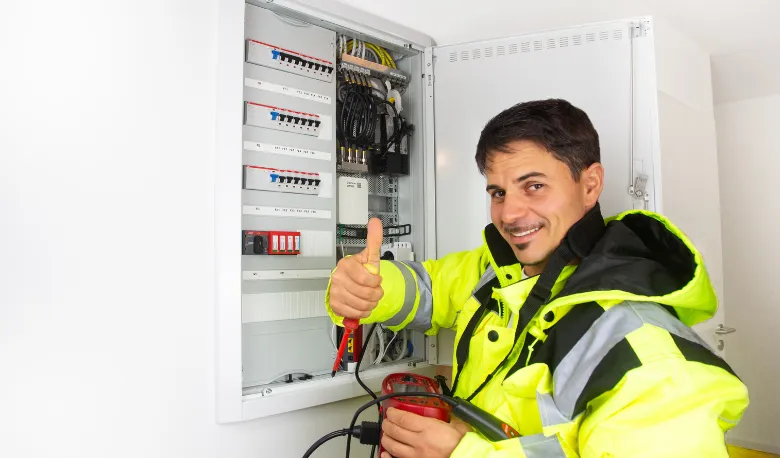
Regular electrical safety inspections identify faulty wiring, overloaded circuits, deteriorating components, and non-compliant switchboards before they cause fires, electric shocks, or property damage. Licensed electricians conduct structured assessments testing insulation resistance, RCD functionality, earthing systems, and load capacity, ensuring compliance with AS/NZS 3000 standards while reducing risks that threaten Sydney families and homes.
Outdated electrical systems and hidden faults create serious hazards that routine visual checks cannot detect. Professional inspections provide comprehensive testing revealing problems invisible to property owners, protecting investments and preventing accidents through early intervention and compliance verification.
Key Takeaways
✅ Regular electrical safety inspections identify hidden hazards including deteriorating insulation, loose connections, and overloaded circuits through comprehensive testing using specialized equipment that detects problems invisible during visual inspection, preventing fires and electric shocks before they occur.
✅ Compliance with AS/NZS 3000 standards and NSW regulations requires licensed electrician inspections providing Certificate of Compliance documentation meeting legal obligations for rental properties while protecting insurance coverage and property values through demonstrated maintenance diligence.
✅ Preventative inspection costs range from $250-$500 for standard homes versus thousands for emergency repairs following electrical failures, with early problem detection protecting appliances from damage, reducing energy waste, and preventing premium after-hours service charges.
✅ Older Sydney homes require five-yearly inspections while modern properties need assessment every 10 years with rental properties, coastal locations, and properties with pool equipment requiring more frequent evaluation due to regulatory requirements, environmental conditions, and safety considerations.
Understanding Electrical Safety Inspections
Electrical safety inspections involve systematic evaluation of residential wiring systems, protection devices, and electrical installations by qualified professionals. These assessments examine every component from the main switchboard through to individual power points, identifying deterioration, code violations, and safety hazards requiring correction.
Licensed electricians use specialized testing equipment measuring electrical parameters beyond what visual inspection reveals. Insulation resistance testers detect cable degradation, RCD testers verify protection device response times, and thermal imaging cameras identify overheating connections creating fire risks. This comprehensive approach ensures thorough assessment of electrical system condition and safety.
Scope of Professional Electrical Inspections
Complete safety inspections cover multiple critical areas within residential electrical systems. Electricians examine switchboard configuration, circuit protection adequacy, cable condition throughout the installation, earthing system integrity, and safety switch functionality. Testing protocols verify that all components operate within safe parameters and meet current Australian standards.
Inspection reports document findings including:
- Switchboard condition and compliance status
- Circuit protection device functionality
- Cable insulation resistance measurements
- Earthing continuity verification
- RCD trip time testing results
- Identified safety hazards requiring attention
- Recommendations for upgrades or repairs
This documentation provides property owners with clear understanding of electrical system condition and necessary improvements ensuring ongoing safety.
Safety and Risk Reduction Through Regular Inspections
Electrical faults cause thousands of residential fires annually across Australia. Deteriorating insulation, loose connections, and overloaded circuits create conditions where electrical energy converts to dangerous heat. Regular inspections identify these hazards before they progress to fire or shock incidents.
Hidden electrical problems develop gradually over years. Cable insulation degrades from heat cycling, connections loosen from thermal expansion, and switchboards accumulate dust compromising cooling. Visual inspection cannot detect these internal deterioration processes that professional testing equipment reveals immediately.
Fire Prevention and Detection
Electrical fires typically result from sustained overheating rather than sudden dramatic failures. Connections with increased resistance from corrosion or loosening generate heat under load. This heat gradually damages surrounding insulation until short circuits occur, igniting nearby combustible materials.
Thermal imaging during inspections identifies these hot spots long before visible damage occurs. Electricians detect temperature anomalies indicating developing problems, enabling corrective action preventing fire ignition. This proactive approach eliminates fire risks rather than responding after damage occurs.
Electric Shock Hazard Identification
Proper earthing and RCD protection prevent most electric shock incidents in modern installations. However, deteriorated earth connections, bypassed safety switches, or damaged cable insulation create shock hazards threatening occupants. Comprehensive testing verifies these critical safety systems function correctly.
Earth continuity testing measures resistance between exposed conductive parts and the main earth electrode. High resistance indicates poor connections preventing protective devices from operating during faults. RCD testing confirms these devices disconnect power within specified timeframes when detecting earth leakage currents. Understanding what to do in electrical emergencies helps homeowners respond appropriately while regular inspections prevent many emergency situations from developing.
Component Deterioration Assessment
Electrical components experience aging from environmental exposure, thermal stress, and mechanical vibration. Circuit breakers accumulate wear reducing their reliability, cable insulation becomes brittle losing protective properties, and connections corrode increasing resistance. Regular inspection identifies components approaching end-of-life requiring replacement.
Sydney’s coastal climate accelerates corrosion in electrical installations. Salt-laden air penetrates switchboards and connection points, degrading metal components faster than inland environments. Professional inspections account for these regional factors, identifying deterioration patterns specific to coastal properties.
Cost Savings from Preventative Electrical Maintenance
Reactive repairs following electrical failures typically cost significantly more than preventative maintenance identifying problems early. Emergency callouts, damage to connected appliances, and potential fire restoration expenses dwarf the modest investment in regular safety inspections.
Electrical system failures rarely occur during convenient business hours. After-hours emergency service premium rates, combined with rushed repairs and limited component availability, inflate costs substantially. Scheduled inspections during regular hours eliminate these premium expenses while ensuring work quality through proper planning.
Appliance Protection and Lifespan
Electrical system problems damage connected appliances and equipment. Voltage fluctuations from poor neutral connections stress electronic components, reducing lifespan and causing premature failures. Circuit overloading forces appliances to operate under suboptimal conditions degrading performance and reliability.
Modern appliances incorporate sensitive electronics requiring stable power supplies within tight voltage tolerances. Electrical system faults creating voltage variations outside these limits damage internal components. Regular inspections ensuring proper system operation protect valuable appliances from electrical damage, avoiding replacement costs from preventable power quality issues.
Energy Efficiency Optimization
Electrical system inefficiencies waste energy through resistance losses in poor connections, undersized cables, and imbalanced phase loading. These losses convert to heat rather than useful work, increasing electricity consumption without benefit. Professional inspections identify inefficiency sources enabling corrections reducing ongoing energy costs.
Poor power factor from some equipment loads increases current draw for the same useful power delivery. While most residential properties don’t pay power factor penalties, the increased current causes greater losses in supply cables and connections. Identifying these conditions allows optimization reducing waste.
Insurance Compliance Protection
Property insurance policies typically require electrical installations meet current safety standards and undergo regular maintenance. Failure to maintain compliant electrical systems may void coverage for fire or damage claims related to electrical faults. Regular inspection documentation demonstrates due diligence in maintaining safe installations.
Insurance assessors investigating electrical fire claims examine maintenance records and electrical system compliance. Missing inspection records or identified hazards not addressed create liability issues potentially reducing or eliminating claim payments. The modest cost of regular inspections provides significant financial protection through maintained insurance coverage.
Compliance with AS/NZS 3000 and NSW Regulations
Australian Standard AS/NZS 3000:2018 establishes minimum safety requirements for electrical installations. This comprehensive standard covers installation methods, component specifications, protection device requirements, and testing protocols ensuring electrical safety. Regular inspections verify installations maintain compliance as standards evolve.
Electrical standards update periodically incorporating improved safety measures and accommodating new technologies. Installations compliant when originally constructed may not meet current standards, particularly regarding RCD protection requirements expanded in recent revisions. Professional inspections identify these gaps recommending upgrades maintaining contemporary safety levels.
NSW Fair Trading Requirements
New South Wales electrical safety legislation mandates licensed electrician performance of electrical work and compliance certification. Property owners hold legal responsibility for electrical installation safety, with regulatory requirements varying based on property type and use.
Rental properties face specific inspection requirements under residential tenancy legislation. Landlords must ensure electrical installations remain safe and compliant throughout tenancy periods. Regular inspections provide documentation meeting these legal obligations while protecting tenants from electrical hazards.
Certificate of Compliance Documentation
Completed electrical work requires Certificate of Compliance (CoC) submission to NSW Fair Trading. These certificates document installation details, testing results, and compliance verification creating permanent regulatory records. Regular inspection certificates supplement these records demonstrating ongoing maintenance and safety verification.
Maintaining comprehensive electrical documentation proves valuable during property transactions. Prospective buyers request electrical safety records, with complete documentation enhancing property value and facilitating sales. Missing records create uncertainty requiring reinspection and potential remedial work before transactions complete.
SafeWork NSW Workplace Requirements
Commercial and industrial properties face additional electrical safety requirements under workplace health and safety legislation. SafeWork NSW mandates regular electrical equipment testing, safety switch functionality verification, and documented maintenance programs. Failure to maintain compliant electrical systems creates liability exposure and potential penalties.
Workplace electrical inspections follow more stringent protocols than residential assessments. Testing frequencies increase based on environmental conditions and equipment utilization. Properties containing workshops, commercial kitchens, or other high-risk environments require annual inspections ensuring ongoing safety compliance. Following switchboard safety compliance requirements helps property owners understand inspection scope and compliance obligations.
Protection of Property and Family
Electrical hazards threaten both property and occupants. Hidden faults developing over time create risks that manifest suddenly through fires, shocks, or equipment damage. Regular professional assessment provides early warning enabling corrective action before hazardous conditions cause harm.
Children and elderly family members face particular vulnerability to electrical hazards. Young children exploring homes may contact damaged outlets or exposed wiring. Elderly residents with reduced mobility face greater injury risk from electric shocks. Comprehensive inspections identifying these hazards protect vulnerable household members.
Hidden Hazard Detection
Many serious electrical faults remain invisible during casual observation. Internal cable damage within walls, deteriorated connections inside switchboards, and failing insulation show no external symptoms until catastrophic failure occurs. Professional testing equipment detects these hidden problems through electrical measurements revealing internal conditions.
Thermal imaging cameras identify overheating components long before visible damage appears. These cameras detect temperature differences as small as 0.1°C, revealing hot connections, overloaded circuits, and failing components. Early detection enables repair before damage progresses or fires ignite.
DIY Work Risk Assessment
Amateur electrical modifications create significant safety hazards. Unlicensed work frequently violates safety standards through improper connection methods, inadequate cable sizing, or missing protection devices. These installations appear functional while containing dangerous defects threatening occupants and property.
Professional inspections identify non-compliant DIY work requiring correction. Electricians recognize improper installation techniques, code violations, and safety compromises invisible to property owners. Addressing these issues eliminates hazards while bringing installations into compliance with current standards.
Older Home Electrical System Evaluation
Properties constructed before 1990 typically contain electrical installations not meeting contemporary safety standards. Missing RCD protection, ceramic fuse switchboards, and deteriorating cable insulation create hazards requiring systematic evaluation and upgrade planning.
Older installations often use cable types no longer considered safe for continued service. Rubber-insulated cables deteriorate becoming brittle and losing insulation properties. Fabric-covered wiring absorbs moisture reducing insulation resistance. Professional assessment identifies these aging system components recommending replacement timelines preventing failures. Recognizing dangerous household electrical hazards common in older properties helps homeowners understand inspection importance.
Improved Energy Efficiency Through System Optimization
Electrical system inefficiencies waste energy through multiple mechanisms. Poor connections increase resistance creating heat losses, undersized cables limit current capacity forcing voltage drop, and imbalanced loading prevents efficient power distribution. Regular inspections identify these inefficiencies enabling optimization.
Modern appliances operate more efficiently with stable voltage within tight tolerances. Electrical system faults creating voltage variations reduce appliance efficiency and increase energy consumption. Maintaining proper system operation through regular inspection ensures appliances receive optimal power for efficient operation.
Connection Resistance Reduction
Electrical connections develop increased resistance over time from corrosion, loosening, and contact surface oxidation. This resistance converts electrical energy to heat rather than delivering power to appliances. Even modest resistance increases cause measurable energy waste multiplied across numerous connections.
Professional inspections identify high-resistance connections through thermal imaging and voltage drop measurements. Cleaning and retightening connections eliminates resistance, reducing energy waste and preventing overheating damage. This maintenance provides immediate energy savings while improving system reliability.
Load Balancing Assessment
Three-phase power installations require balanced loading across phases for efficient operation. Imbalanced loading causes excessive current in overloaded phases while underutilizing other phases. This imbalance increases neutral current and supply cable losses while potentially causing voltage imbalance affecting appliance operation.
Electricians measure load distribution across phases during inspections, identifying imbalance requiring correction. Redistributing circuits achieves balanced loading optimizing system efficiency and capacity utilization. Properly balanced systems operate cooler, use less energy, and provide improved voltage stability.
System Capacity Planning
Electrical system capacity must accommodate current loads with margin for future additions. Installations approaching capacity limits experience voltage drop, breaker tripping, and reduced efficiency. Professional assessment evaluates current utilization identifying available capacity for planned upgrades or additional appliances.
Understanding system limitations prevents overloading through uncontrolled additions. Properties nearing capacity require upgrades before adding significant loads like electric vehicle chargers, pool equipment, or major appliances. Regular inspection provides current capacity assessment enabling informed upgrade planning.
Recommended Inspection Frequency for Sydney Properties
Inspection frequency depends on property type, age, and usage intensity. Older installations require more frequent assessment due to component aging and changing safety standards. Properties with heavy electrical loads or harsh environmental conditions benefit from increased inspection frequency.
Residential Property Inspection Intervals
| Property Type | Recommended Frequency |
|---|---|
| Owner-occupied homes (modern) | Every 10 years |
| Owner-occupied homes (pre-1990) | Every 5 years |
| Rental properties | Every 2-5 years (varies by state) |
| Properties with pool equipment | Every 3-5 years |
| Coastal properties | Every 5 years |
These intervals provide baseline recommendations with adjustments based on specific property conditions and regulatory requirements.
Commercial Property Requirements
Commercial and industrial properties require more frequent inspection due to regulatory requirements and increased liability exposure. Workplace electrical systems face greater usage intensity and environmental stresses accelerating deterioration.
Office environments typically require five-yearly inspections ensuring ongoing safety and compliance. Industrial facilities with harsh conditions or heavy electrical loads benefit from annual inspections identifying problems before they impact operations or create safety hazards.
Trigger Events Requiring Immediate Inspection
Certain situations necessitate immediate professional electrical inspection regardless of scheduled interval:
- Purchase of property (pre-purchase inspection)
- Electrical work completion verification
- Following storm damage or flooding
- After suspected electrical fault or fire
- Before major renovation commencing
- Insurance company requirements
- Frequent circuit breaker tripping
- Burning odors or visible damage
These circumstances indicate potential electrical system problems requiring professional evaluation before continued operation.
Common Issues Identified During Safety Inspections
Professional inspections reveal numerous problems invisible during casual observation. Understanding common findings helps property owners recognize inspection value and appreciate comprehensive assessment scope.
Switchboard Compliance Deficiencies
Older switchboards frequently lack safety features now considered essential. Missing RCD protection, ceramic fuses instead of circuit breakers, and inadequate labeling create safety hazards and non-compliance with current standards. Inspections identify these deficiencies recommending upgrade priorities.
Switchboard overcrowding from circuit additions over time creates cooling problems and maintenance difficulties. Proper switchboard design includes space for future additions with adequate ventilation preventing overheating. Overcrowded installations require replacement with appropriately sized equipment.
Cable and Wiring Deterioration
Cable insulation degrades over decades from thermal cycling, environmental exposure, and physical stress. Brittle insulation loses protective properties, cracking and exposing conductors creating shock and fire hazards. Insulation resistance testing identifies deteriorated cables requiring replacement.
Rodent damage in roof spaces and subfloor areas compromises cable integrity. Gnawed insulation exposes conductors while physical damage disrupts cable mechanical protection. Regular inspection includes accessible cable routes checking for visible damage and pest activity.
Overloaded Circuits and Undersized Cables
Circuit loading increases over time as households add appliances and equipment. Circuits designed for original loads may not safely accommodate current demands. Overloaded circuits operate at elevated temperatures accelerating insulation deterioration and creating fire risks.
Undersized cables limit current capacity causing voltage drop reducing appliance performance. Professional assessment measures actual circuit loading identifying overload conditions requiring circuit additions or load redistribution.
Earth System Deficiencies
Proper earthing provides essential shock protection enabling protective devices to operate during fault conditions. Corroded earth electrodes, broken earth connections, and inadequate bonding compromise earth system effectiveness. Earth resistance testing identifies these problems requiring correction.
Main earth electrodes require low resistance connections to ground ensuring effective fault current paths. Sydney’s variable soil conditions affect earth electrode performance, with sandy or rocky areas presenting greater challenges. Professional testing verifies earth system adequacy under local conditions.
Professional Electrical Safety Inspection Services in Sydney
Protecting your family and property requires regular professional electrical assessment identifying hazards before they cause harm. Calibre Connect provides comprehensive electrical safety inspection services throughout Sydney, conducted by licensed electricians using advanced testing equipment ensuring thorough evaluation of your electrical installation.
Don’t wait for electrical problems to escalate into emergencies. Our experienced Sydney electricians deliver detailed inspection reports documenting system condition, compliance status, and recommended improvements. We service properties across all Sydney suburbs with professional assessments protecting your investment and ensuring ongoing safety.
Contact Calibre Connect today to schedule your electrical safety inspection. Our team provides prompt service with comprehensive testing, clear documentation, and expert recommendations maintaining your home’s electrical safety and compliance with Australian standards.