



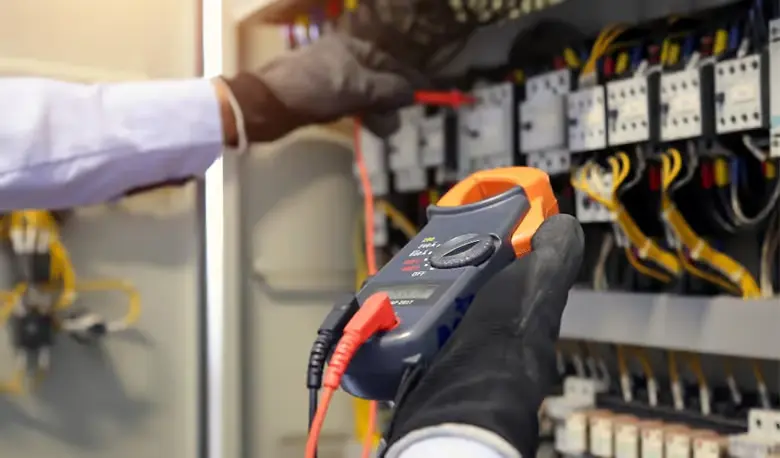
Australian electrical code compliance is a legal requirement that helps ensure safe and compliant electrical installation work across homes and businesses. The AS/NZS 3000 Wiring Rules, published by Standards Australia and Standards New Zealand, outline the key installation requirements for electrical systems. By following these electrical safety standards, property owners, electricians, and contractors can help ensure that all electrical work is done correctly, safely, and in accordance with national legislation.
Why Electrical Code Compliance Is Essential
Compliance with electrical codes and regulations is a legal and practical requirement for every property owner in Australia. Meeting the AS/NZS 3000 Wiring Rules ensures electrical installations are done correctly and safely, reducing hazards and providing assurance that electrical work complies with national standards and legislation.
- Protects against hazards – Electrical faults are a leading cause of fires, shocks, and unsafe installations. Compliance requirements ensure that electrical systems and wiring installations meet safety standards and minimise risks.
- Ensures reliability – Following electrical installation requirements keeps supply systems, switchboards, and electrical equipment safe and compliant for everyday use.
- Legal responsibility – Australian property owners must follow electrical codes and obtain certificates of compliance for installation and repair work, as required by state legislation.
- Supports insurance coverage – Electrical work not carried out in accordance with standards can be deemed unsafe, leading to penalties, fines, or rejected insurance claims.
- Applies to all premises – Compliance is mandatory for homes, rental properties, and commercial sites, ensuring that electrical installation work is verified and inspected by licensed electricians.
Core Standards That Govern Electrical Compliance in Australia
Electrical code compliance in Australia is built on a framework of standards published by Standards Australia and Standards New Zealand. These documents set the requirements for safe electrical installation work, inspection, and the supply of compliant electrical equipment.
AS/NZS 3000:2018 Wiring Rules (with Amendment 3 – 2023)
The AS/NZS 3000 Wiring Rules are the main Australian Standard for electrical installation work. They provide detailed requirements for design, construction, verification, and inspection of electrical systems.
- Covers wiring systems, earthing, switchboards, and safety zones.
- Requires safety switches (RCDs) on all sub-circuits.
- Includes installation requirements for hazardous areas and wet zones.
- Provides guidance for testing and inspection before energising new wiring.
- Amendment 3 (effective 2025) adds:
- Clearer safety switch requirements across all circuits.
- Rules for cable installation in insulation.
- Standards for EV charging stations.
- Updated guidance for bathrooms, laundries, and outdoor areas.
Other Supporting Standards
Other Australian and New Zealand standards support the Wiring Rules by setting additional requirements for inspection, workplace safety, and electrical equipment.
- AS/NZS 3019 – Periodic verification of electrical installations, recommending safety checks every two years.
- AS/NZS 3760 – Test and Tag procedures for portable electrical equipment in workplaces.
- AS/NZS 3820 – Essential safety requirements for in-scope electrical equipment sold or imported into Australia.
Electrical Compliance Standards Summary
| Standard | Scope | Key Compliance Requirements |
|---|---|---|
| AS/NZS 3000:2018 Wiring Rules (Amendment 3, 2023) | Wiring systems and electrical installations | RCDs on all circuits, safe wiring methods, EV charging, wet area safety |
| AS/NZS 3019 | Periodic inspections | Recommended every 2 years for homes and businesses |
| AS/NZS 3760 | Workplace equipment | Test and tag procedures based on environment and risk |
| AS/NZS 3820 | Electrical equipment supply | Safety requirements for equipment sold/imported in Australia |
Compliance Steps for Homeowners and Businesses
Meeting Australian electrical code compliance requires property owners to follow set procedures and engage licensed professionals. From installation to inspection and certification, each step ensures that electrical installation work is safe, compliant, and verified in accordance with national standards.
Work by Licensed Electricians Only
Electrical installation work in Australia must be performed by a licensed electrician. DIY electrical work is unsafe, illegal, and not compliant with national legislation.
- Ensures installations are carried out in accordance with AS/NZS 3000 Wiring Rules.
- Protects property owners from penalties, unsafe installations, and rejected insurance claims.
- Only licensed electricians can legally alter, repair, or energise new wiring systems.
Mandatory Testing and Certification
All electrical installation work must be inspected and verified before being energised. Certificates of compliance confirm that the work complies with national standards. Common issues that arise during checks include failures in electrical inspections, often linked to outdated wiring or non-compliant installations.
In NSW, this process often involves a switchboard inspection or upgrade to ensure older systems meet current safety requirements.
- In NSW, Certificates of Compliance for Electrical Work (CCEW) must be lodged with the NSW Government and provided to the property owner.
- Similar certificates apply in other states under consumer safety legislation.
- Certification verifies that installations are safe, compliant, and done correctly.
Product and Equipment Standards
Compliance extends to the electrical equipment used in any installation. Products must meet regulatory requirements before being sold or installed.
- All electrical equipment must display the Regulatory Compliance Mark (RCM).
- In-scope electrical equipment is regulated under the Electrical Equipment Safety System (EESS).
- Workplaces must follow AS/NZS 3760 with regular test and tag inspections.
Compliance Flow for Property Owners
| Step | Action | Who Is Responsible | Compliance Outcome |
|---|---|---|---|
| 1 | Engage a licensed electrician | Homeowners / businesses | Ensures work is done safely and legally |
| 2 | Follow AS/NZS 3000 Wiring Rules | Electrician | Installation meets national standards |
| 3 | Conduct mandatory inspections | Licensed electrician / inspector | Work is verified before energising |
| 4 | Submit compliance certificates | Electrician to regulator & owner | Legal proof of compliance |
| 5 | Verify electrical equipment (RCM, EESS) | Property owner / supplier | Safe and compliant equipment installed |
| 6 | Schedule periodic inspections | Homeowner / business | Ongoing safety and compliance |
Enforcement and Oversight
Australian electrical code compliance is enforced by state and territory regulators. These authorities oversee licensing, inspections, and certification to ensure electrical installation work is done in accordance with the AS/NZS 3000 Wiring Rules and other electrical safety standards.
Regulatory Authorities
Each state and territory has its own regulatory body responsible for monitoring compliance and investigating unsafe electrical installations.
- NSW Fair Trading – Oversees licensing, certification, and compliance under the Building Commission NSW.
- Energy Safe Victoria – Regulates electrical installations, product safety, and inspections across Victoria.
- Electrical Safety Office (QLD) – Enforces compliance, conducts inspections, and investigates unsafe electrical work.
- Other jurisdictions, including South Australia, Western Australia, and Tasmania, maintain similar regulatory frameworks.
Consequences of Non-Compliance
Failure to comply with electrical standards can result in penalties, unsafe installations, and rejected insurance claims.
- Legal penalties – Fines and prosecution for unsafe or unlicensed electrical work.
- Insurance risks – Claims may be denied if electrical work is not compliant or certified.
- Safety hazards – Non-compliance increases the likelihood of electrical fires, electrocution, and hazardous installations.
Compliance Enforcement Summary
| Regulator | Jurisdiction | Main Responsibilities | Non-Compliance Penalties |
|---|---|---|---|
| NSW Fair Trading / Building Commission NSW | New South Wales | Licensing, compliance certificates, inspections | Fines, licence suspension, legal penalties |
| Energy Safe Victoria | Victoria | Electrical work regulation, equipment safety, inspections | Fines, stop-work notices, prosecution |
| Electrical Safety Office (QLD) | Queensland | Electrical safety enforcement, inspections, investigations | Penalties, legal action, unsafe installation rectification |
| Other state regulators | SA, WA, TAS, NT, ACT | Local enforcement of wiring rules and compliance requirements | Similar penalties and fines for unsafe work |
2025 Updates and Areas of Focus
The AS/NZS 3000 Wiring Rules are regularly updated to reflect new technologies, safety requirements, and compliance needs. In 2025, property owners, electricians, and regulators will focus on areas such as EV charging, revised RCD rules, hazardous locations, and renewable energy systems to ensure installations remain safe and compliant.
EV Charging Installation Requirements
With the growth of electric vehicles in Australia, the Wiring Rules now include detailed requirements for EV charger installations.
- Specific guidelines for dedicated circuits and safe current supply.
- Installation requirements for charging outlets in residential and commercial premises.
- Verification processes to ensure chargers are installed correctly and safely by licensed electricians.
Revised RCD Safety Rules Across All Circuits
Residual current devices (safety switches) remain a central requirement of electrical safety. Amendment 3 makes RCD compliance even stricter, particularly as older switchboards can become hazards, such as switchboards that pose a fire risk.
- RCDs required on all domestic and commercial sub-circuits.
- Enhanced testing and verification protocols before energising new installations.
- Stricter rules for retrofitting older switchboards with compliant RCDs.
Hazardous Locations and Switchboard Clearances
- Clearances around switchboards to allow safe access and inspection.
- Special requirements for bathrooms, laundries, and outdoor wet areas.
- Installation requirements for enclosures in hazardous or high-voltage environments.
Energy Storage Systems and Renewables
Renewable energy and battery storage systems are increasingly common in Australian homes and businesses. Updated rules address their integration into safe electrical systems.
- Guidance for connecting energy storage systems to the main supply.
- Installation requirements for rooftop solar and hybrid systems.
- Safety provisions to prevent overloading and overheating in storage units.
2025 Compliance Updates Summary
| Focus Area | 2025 Requirement | Compliance Outcome |
|---|---|---|
| EV charging installations | Dedicated wiring systems, safe current supply, licensed electrician installation | Safe and compliant charging stations for homes and businesses |
| RCD rules | RCDs on all sub-circuits, stricter testing before energising | Reduced risk of electric shock and electrical fires |
| Hazardous locations | Updated rules for bathrooms, laundries, outdoor wet zones, and switchboard clearances | Safer installations in high-risk areas |
| Energy storage & renewables | Standards for battery systems, rooftop solar, hybrid connections | Reliable integration of renewable energy with safe electrical systems |
Typical Compliance Checklist for Property Owners
Property owners in Australia must follow clear compliance steps to ensure their electrical installation work is safe, legal, and up to date with the AS/NZS 3000 Wiring Rules and supporting standards. This checklist provides a quick reference for homeowners, landlords, and businesses.
Compliance Checklist
| ✅ Requirement | Why It Matters |
|---|---|
| Engage only licensed electricians for all electrical installation work | Ensures all work is carried out in accordance with Australian standards and legislation, protecting against unsafe installations. |
| Ensure installations follow the latest AS/NZS 3000 Wiring Rules | Guarantees wiring systems, switchboards, and safety devices meet current compliance requirements. |
| Submit compliance certificates (e.g., CCEW in NSW) | Provides legal verification that electrical work was inspected, tested, and done correctly. |
| Confirm all appliances and electrical equipment display the RCM mark | Verifies products are safe, compliant, and legally imported under the Electrical Equipment Safety System (EESS). |
| Conduct periodic inspections under AS/NZS 3019 | Identifies faulty wiring, unsafe switchboards, or hazards before they become serious risks. |
| Perform workplace test and tag inspections under AS/NZS 3760 | Helps ensure safety of portable equipment, reducing risks in business environments. |
| Stay updated on amendments via Standards Australia or regulators | Ensures property owners and electricians remain compliant with new rules such as EV charging and renewable energy integration. |
Conclusion
Australian electrical code compliance is not optional , it is a legal and safety requirement. Following the AS/NZS 3000 Wiring Rules and related standards helps ensure that electrical installation work is done correctly, safely, and in accordance with legislation. For property owners, compliance reduces the risk of electrical fires, shocks, and insurance disputes while guaranteeing a safe and reliable electrical system.
Stay ahead of the 2025 updates by working with trusted professionals. Calibre Connect provides licensed electricians who specialise in compliance inspections, switchboard upgrades, and electrical installation safety checks.
Contact us today to schedule a full compliance review and ensure your property meets the latest Australian electrical standards.
To know more about electrical safety compliance or needing an elecrtrical service, feel free to reach Calibre Connect at (02) 8898 0200.