

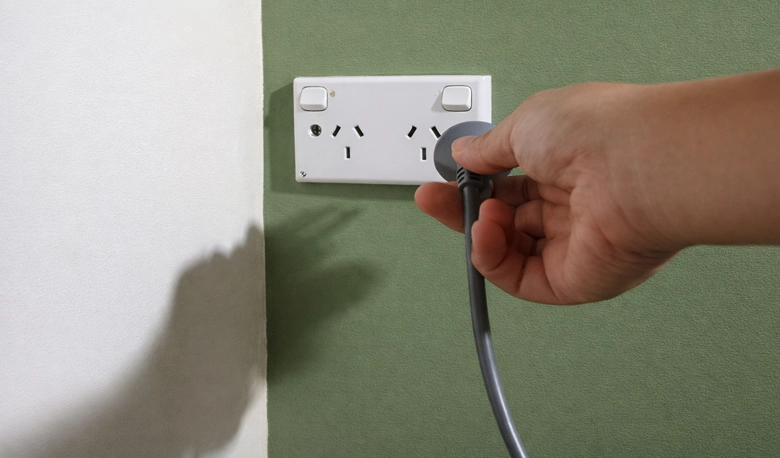
Knowing how to test electrical outlets in Australia is an important part of maintaining your home’s electrical safety. Outlet testing helps identify wiring issues, low voltage, and faulty outlets before they become electrical hazards. With the right tools, such as a multimeter or outlet tester, you can check whether an outlet is wired correctly and working properly.
Always put safety first, follow proper precautions, and call a licensed electrician if you suspect serious electrical problems.
Key Takeaways
✅ Learn how to test outlets safely using the right tools: multimeter, outlet tester, or non-contact voltage tester.
✅ Australian electrical outlets should measure around 230–240V between hot and neutral slots.
✅ Always follow safety precautions such as turning off the breaker, wearing protective gear, and testing before repairs.
✅ Abnormal readings, faulty outlets, or electrical hazards require a licensed electrician for inspection and repair.
✅ Regular outlet testing helps ensure the safety of your home’s electrical system and prevents electrical issues before they become major hazards.
Why Test Electrical Outlets?
Testing electrical outlets is an important step in keeping your home’s electrical system safe and reliable. Regular outlet testing helps detect problems early, ensuring the safety of your family and preventing costly electrical issues.
Key reasons to test outlets include:
- Prevent electrical hazards: Identifying faulty outlets reduces the risk of shocks, fires, and damage to appliances.
- Check outlet wiring: Testing confirms that an outlet is wired correctly, properly grounded, and delivering the correct voltage , checks that are also part of maintaining homeowner electrical safety and often identified during a routine electrical safety inspection.
- Detect electrical problems early: Outlet testing helps identify low voltage, reversed polarity, or loose wires before they cause failures.
- Compliance with safety standards: Regular testing supports electrical safety and can be part of workplace or rental requirements.
- Maintain a reliable electrical system: Routine checks help ensure outlets are working properly and avoid unexpected electrical issues.
Tools You Can Use to Test Electrical Outlets
Different tools can help identify problems with an electrical outlet, from simple testers to detailed multimeter readings. Choosing the right tool depends on whether you want a quick safety check or a full electrical safety test.
Multimeter
A multimeter provides the most accurate results when testing outlets.
- Measures voltage, polarity, and grounding.
- Can detect low voltage, reversed wiring, and other electrical problems.
- Digital multimeters are preferred for ease of use and clearer readings.
- To test an outlet with a multimeter, set the multimeter to measure voltage and insert probes into the outlet slots.
Plug-In Outlet Tester
This tool is quick and easy to use, especially for home improvement checks.
- Simply plug into the outlet in question.
- LED lights indicate if the outlet is wired correctly.
- Identifies common wiring issues such as open ground, reversed polarity, or open neutral.
- Best for spotting faulty outlets without electrical experience.
Non-Contact Voltage Tester
A non-contact voltage tester helps check for live voltage safely.
- Detects electrical current without direct contact.
- Hold the tester near the outlet slot to see if voltage is present.
- Useful for confirming power to the outlet before performing electrical work.
- Helps identify whether an outlet has power or needs further testing with a multimeter.
Step-by-Step: How to Test an Outlet with a Multimeter
A multimeter is the most reliable tool for outlet testing because it measures voltage, polarity, and grounding directly. Follow these steps to safely test an electrical outlet with a multimeter in Australia.
Step 1: Turn off the power
- Switch off the circuit breaker before setting up.
- Confirm the outlet is safe to touch before proceeding.
Step 2: Set the multimeter
- Use a digital multimeter set to measure voltage (AC).
- Ensure the probes are firmly connected to the multimeter.
Step 3: Insert probes into the outlet slots
- Place the red probe into the hot slot.
- Place the black probe into the neutral slot.
- A correct reading in Australia should be around 230–240 volts.
Step 4: Check grounding
- Move the black probe to the ground slot while keeping the red probe in the hot slot.
- The multimeter should still measure approximately 230–240 volts.
- Testing neutral to ground should read close to 0 volts, confirming proper grounding.
Step 5: Conduct a polarity test
- Reverse the probes to check that hot and neutral wires are not swapped.
- Any abnormal or reversed readings indicate a wiring issue.
Step 6: Record results
- Keep notes of your multimeter readings.
- If the outlet shows low voltage, reversed polarity, or unusual readings, stop and call a licensed electrician to troubleshoot the problem.
Using an Outlet Tester
An outlet tester is a simple plug-in device that checks whether an electrical receptacle is wired correctly. It is especially useful for quick outlet testing at home or during commercial electrical inspections. By reading the LED light patterns, you can identify common wiring faults without needing multimeter experience.
Outlet Tester LED Patterns and What They Mean
| LED Pattern | Meaning | Action Needed |
|---|---|---|
| ✅ Correct wiring | Outlet is wired correctly | No action required. Outlet is safe to use. |
| ⚠️ Open ground | No proper grounding | Call a licensed electrician to ensure the outlet is properly grounded. |
| ⚠️ Reversed polarity | Hot and neutral reversed | Unsafe to use. Contact an electrician to correct the wiring. |
| ⚠️ Open neutral | Neutral wire disconnected | Outlet cannot supply electricity safely. Needs immediate repair. |
| ⚠️ Open hot | Live wire not connected | Outlet has no power. Requires inspection to check for a circuit fault or break. |
An outlet tester is not a replacement for a full electrical safety test, but it helps quickly identify faulty outlets and potential electrical problems before they become hazards.
Using a Non-Contact Voltage Tester
A non-contact voltage tester is one of the safest tools for quickly checking whether an outlet has power. It detects the presence of electrical current without the need to insert probes into the outlet slots.
How to use a non-contact voltage tester:
- Hold the tester close to the outlet slot or receptacle.
- If live voltage is present, the voltage tester will light up or emit a sound.
- Use it to confirm whether power is at the outlet before doing any electrical work.
- A non-contact voltage tester is especially useful for safety checks during extreme weather or when troubleshooting electrical issues in your home’s electrical system.
This tool is ideal for quick checks, but for more detailed outlet testing, a multimeter or outlet tester provides clearer readings.
Safety Precautions While Testing Outlets
Electrical testing can expose you to live voltage and other hazards if not performed correctly. Safety must always come first when working around an outlet, whether you use a multimeter, an outlet tester, or a non-contact voltage tester. Following proper precautions helps avoid electrical shocks, burns, or accidents while ensuring accurate results.
Essential safety precautions when testing electrical outlets:
- Turn off the power first: Before beginning setup or inserting probes, switch off the circuit breaker that controls the outlet in question. Confirm that power to the outlet is isolated before handling wires.
- Test before touching: Always use a non-contact voltage tester or voltage detector to confirm whether the outlet still has live voltage before proceeding.
- Wear protective gear: Use insulated gloves and tools with insulated handles to reduce the risk of electric shock when performing electrical work.
- Avoid electrical hazards: Never touch exposed wires, cords, or outlet slots directly. Keep flammable materials away when testing outlets, as these risks are commonly linked to switchboard fires in Australian homes.
- Follow proper probe placement: When using a multimeter, ensure the red probe goes into the hot slot and the black probe into the neutral or ground slot. Incorrect probe use can cause short circuits.
- Never test a damaged outlet live: If the receptacle is cracked, sparking, or smells of burning, do not attempt live testing. Turn off the power and call a licensed electrician immediately.
- Call an electrician for abnormal results: If your multimeter readings are unusual, or the outlet tester shows reversed polarity or no ground, stop testing and contact a professional. Attempting DIY repairs can make electrical problems worse and lead to electrocution.
- fWork only within your experience level: Basic outlet testing can be done for safety checks, but complex electrical issues, rewiring, or installation work must be handled by a licensed electrician in Australia to meet safety standards.
These precautions are critical for preventing electrical hazards and ensuring that your home’s electrical system remains safe and compliant.
Australian Standards and Legal Requirements
Testing outlets is not only about safety but also about meeting national requirements. Australia has strict electrical standards to ensure that outlets, plugs, and wiring are installed and maintained correctly. Following these rules reduces electrical hazards and ensures the safety of your home or workplace.
Key Standards and Legal Requirements
| Standard / Authority | Scope | Key Requirements |
|---|---|---|
| AS/NZS 3112 | Plugs, sockets, and electrical outlets | Outlets must be properly grounded and meet design specifications for safe electrical installation. |
| AS/NZS 3760 | Workplace electrical testing and tagging | Regular outlet testing and tagging of appliances are required to ensure compliance and prevent electrical incidents. |
| Safe Work Australia | Workplace and home electrical safety regulations | Only a licensed electrician can perform electrical testing, inspection, or certification of outlets and wiring. |
These standards emphasise that while basic outlet testing with a tester or multimeter can help identify issues, professional inspection and electrical services are essential for compliance and long-term safety.
When to Call a Professional Electrician
While some outlet testing can be done safely at home, there are situations where only a licensed electrician should handle the problem. Attempting DIY repairs in these cases can worsen electrical issues, lead to short circuits, or cause electrocution.
Abnormal Readings on Outlet Tests
If your multimeter readings show low voltage, reversed polarity, or unusual results, this is a clear sign of a problem with the outlet or wiring. A licensed electrician can conduct proper electrical testing and repairs.
Sparks, Smells, or Overheating Outlets
Sparking from an electrical receptacle, burning smells, or warm outlet covers indicate dangerous electrical faults. These faulty outlets can quickly escalate into electrical fires if not repaired immediately, sometimes requiring urgent help from an emergency electrician.
Older Homes and Faulty Wiring
In homes with older electrical installations, outlets may not be properly grounded or up to current safety standards. Routine electrical inspection and upgrades by an electrician ensure compliance and safety, in many cases, an electrical switchboard upgrade is also needed to support modern appliances and prevent overloading.
Workplace and Compliance Needs
In commercial electrical environments, outlet testing and tagging must comply with AS/NZS 3760. A licensed electrician is required to provide certification and ensure installations meet Australian regulations.
Protect Your Home with Proper Outlet Testing
Knowing how to test electrical outlets in Australia is an important part of maintaining electrical safety at home or in the workplace. By using the right tools and following safety precautions, you can detect wiring faults, prevent electrical hazards, and ensure your outlets are working properly.
For peace of mind, book a licensed electrician to carry out a full electrical safety test. Professional outlet testing and inspection not only ensure compliance with Australian standards but also protect your family, property, and appliances from potential electrical hazards.
Contact Calibre Connect today to schedule an outlet inspection and keep your electrical system safe and reliable.