



Understanding the difference between single phase and three phase power is crucial when considering power upgrade costs for your Australian property. Single phase power systems use electricity through two wires and are typically cheaper for initial installation, while three phase power systems utilise three active wires and one neutral wire to deliver more consistent power.
The cost difference between these power supply options significantly impacts your electricity bills over time, making it essential to understand single phase vs three phase power before making upgrade decisions. Understanding the difference between single phase and three phase electrical systems is crucial when considering power upgrade costs.
Key Takeaways
✅ Single phase power systems are typically cheaper to install but may result in higher electricity bills for high-power applications requiring consistent electrical supply
✅ Three phase power upgrade costs range from $1,500-$3,000 for homes to $10,000+ for commercial properties, but deliver superior efficiency and lower long-term electricity costs
✅ Understanding the difference between single phase and three phase power helps determine the most cost-effective power supply choice for your specific electrical power requirements
✅ Professional consultation with licensed electricians ensures accurate cost assessment and appropriate power system selection for optimal long-term financial benefits
What is Single Phase Power?
Single phase power represents the most common type of power supply found in Australian residential properties, delivering electricity through a simplified system designed for lower power demands.
A single phase power supply uses electricity from the grid through two wires: one active wire carrying the electrical power and one neutral wire completing the circuit. This single sine wave delivers power at 240 volts in Australia, making it suitable for most household appliances and lighting systems. The flow of electricity in single phase systems creates a straightforward power connection that meets the needs of typical residential properties.
Single phase electricity works by alternating the electrical current 50 times per second, creating the standard frequency used across Australian electrical systems. This phase supply provides adequate power capacity for homes with normal electricity consumption, including refrigerators, washing machines, air conditioning units, and standard lighting circuits. However, single phase power can experience power dips when multiple high-demand appliances operate simultaneously, particularly during peak usage periods.
Most residential properties receive single phase supply as standard from electricity distributors, as it provides sufficient electrical power for typical household requirements while maintaining lower installation and infrastructure costs compared to three phase alternatives.
What is Three Phase Power?
Three phase power systems deliver superior power capacity and efficiency through a more complex electrical configuration designed for high power applications and commercial use.
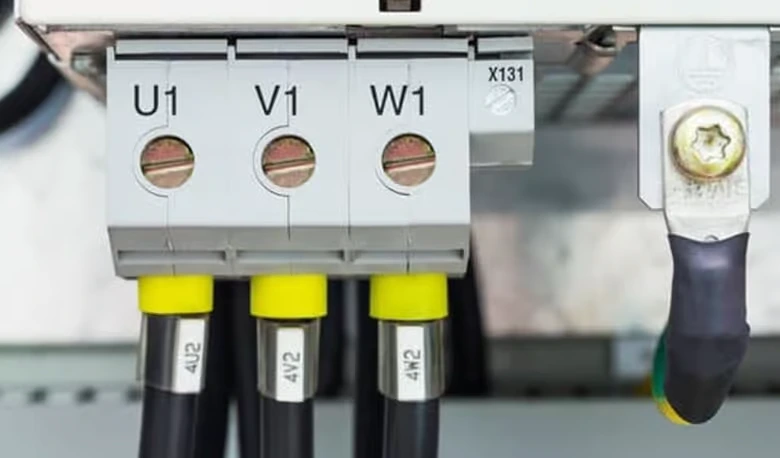
Three-phase power utilises three active wires and one neutral wire to create a rotating electrical field that provides more consistent power delivery than single phase alternatives. Each of the three active wires carries electrical current that is 120 degrees out of phase with the others, creating a balanced power system that eliminates the power dips commonly experienced with single phase electricity.
This three phase system delivers 415 volts between active wires and 240 volts between any active wire and the neutral wire, providing versatility for different electrical equipment requirements. The balanced nature of three-phase power supplies means that electrical power flows more smoothly, reducing strain on motors and improving the efficiency of high-power appliances.
Three phase power systems are essential for industrial machinery, large commercial air conditioning systems, industrial lighting, and heavy manufacturing equipment. The consistent power delivery makes three-phase power ideal for motors, as it eliminates the torque variations that occur with single phase motor operation. This results in smoother operation, reduced vibration, and extended equipment lifespan for businesses relying on continuous high-power operations.
Cost Comparison: Single Phase vs Three Phase Power
The financial implications of choosing between single phase or three phase power extend beyond initial installation costs to include long-term operational expenses and efficiency considerations.
| Cost Factor | Single Phase Power | Three Phase Power |
|---|---|---|
| Small Homes Installation | $500 – $1,200 | $1,500 – $3,000 |
| Business/Warehouse Upgrade | Not suitable for high power | $3,000 – $10,000+ |
| Large Commercial Buildings | Insufficient capacity | $10,000 – $50,000+ |
| Monthly Electricity Bills | Higher for heavy usage | Lower per kW for industrial use |
| Equipment Efficiency | Standard efficiency | 10-15% more efficient |
| Maintenance Costs | Lower for simple systems | Higher but offset by efficiency |
Installation and Upgrade Costs
The upfront investment for power system upgrades varies significantly between residential and commercial applications.
Single phase power installations typically cost between $500 to $1,200 for new residential connections, making them the most economical choice for homes with standard power demands. However, upgrading from single phase to three phase power requires substantial electrical infrastructure changes, including new cables, upgraded switchboards, and enhanced connection points to the electricity supply network.
For small residential properties, single phase to 3 phase upgrade costs range from $1,500 to $3,000, depending on the distance from existing three phase supply lines and the complexity of electrical system modifications required. This power upgrade to three-phase involves installing new electrical panels, upgrading circuit breakers, and potentially trenching new cables from the street connection point.
Professional three phase power installation ensures compliance with Australian electrical standards while providing optimal power distribution for your property’s requirements.
Commercial and industrial power upgrade costs increase dramatically based on power capacity requirements. Businesses typically face upgrade costs between $3,000 to $10,000 for standard commercial applications, while large commercial buildings may require investments exceeding $50,000 for comprehensive three-phase power system installations.
Long-Term Cost Benefits
Understanding the differences between single phase and three phase power reveals significant long-term financial advantages for appropriate applications.
Three-phase power systems operate more efficiently than single phase alternatives, typically delivering 10-15% better energy efficiency for high-power applications. This efficiency improvement translates to lower electricity bills over time, particularly for businesses operating heavy machinery or large commercial equipment requiring consistent high power output.
The balanced electrical load in three phase systems reduces power losses during transmission, meaning more of the electricity you pay for actually powers your equipment rather than being lost as heat. For industrial applications, this efficiency gain can result in thousands of dollars in annual electricity cost savings, making the higher upfront three-phase power system installation cost financially justified within 2-3 years.
Single phase power systems, while cheaper initially, become less cost-effective as power demands increase. High-power equipment running on single phase electricity often requires larger electrical components, draws more current, and may require multiple circuits to handle load requirements that a single three-phase connection could manage more efficiently.
When to Upgrade from Single Phase to Three Phase
Determining the right time to upgrade to three-phase power depends on your current and projected power demands, equipment requirements, and long-term cost considerations.
High Power Equipment Requirements
Upgrading from single phase becomes essential when your power system cannot adequately support your electrical equipment needs.
- Industrial machinery requiring more than 7.5kW typically operates more efficiently on three phase power
- Large commercial air conditioning systems benefit from the consistent power delivery of three-phase systems
- Heavy workshop equipment including welders, compressors, and industrial tools often require three phase supply
- Commercial kitchens with multiple high-power appliances achieve better performance with three-phase power supplies
- Manufacturing facilities depend on three phase electricity for consistent production line operation
Business Growth and Expansion
Growing businesses often reach a point where single phase power limitations restrict operational capacity and efficiency.
Commercial properties experiencing frequent power dips, requiring multiple single phase circuits for equipment, or planning significant expansion should consider upgrading to 3 phase power. The ability to distribute electrical load across three phases reduces strain on individual circuits and provides capacity for future equipment additions without major electrical system modifications.
For businesses experiencing electrical issues, professional assessment can determine whether power system upgrades provide solutions to operational challenges.
Cost-Effectiveness Analysis
Upgrade to three-phase power when:
- Monthly electricity bills exceed $500-800 consistently
- Equipment operates more than 8 hours daily
- Power requirements exceed 15kW total capacity
- Frequent motor starting causes voltage fluctuations
- Planning equipment expansion within 2-3 years
Stay with single phase power when:
- Total power demand remains below 10kW
- Equipment operates intermittently
- Property is purely residential with standard appliances
- Upgrade costs exceed 5 years of potential electricity savings
Choosing Between Single Phase and Three Phase Power
Making the right power supply choice requires careful evaluation of your current needs, future plans, and the specific electrical requirements of your property or business.
Residential Properties
Most Australian homes operate effectively on single phase power supply, as typical household appliances are designed for single phase electricity consumption. Standard residential loads including lighting, refrigeration, washing machines, and even residential air conditioning systems function efficiently with single phase supply.
However, homes with high-power requirements may benefit from upgrading to three phase. Properties with large workshops, extensive air conditioning systems, swimming pool equipment, or electric vehicle charging stations should consider three phase power for improved efficiency and reduced electricity bills.
Learn more about EV charging requirements to understand how electric vehicle installations influence power system decisions.
Commercial and Industrial Applications
Commercial properties almost universally benefit from three-phase power systems due to their superior efficiency and power capacity. The consistent power delivery reduces equipment wear, improves motor performance, and provides the electrical capacity needed for business growth.
Industrial facilities require three phase supply as standard, as single phase power cannot provide adequate capacity for manufacturing equipment, industrial lighting, and heavy machinery operation. The improved power factor and reduced electrical losses make three-phase power essential for industrial cost control.
Consultation with Licensed Electricians
Determining whether you need to upgrade to three-phase power requires professional assessment of your electrical systems, power demands, and cost-benefit analysis. A licensed Australian electrician can evaluate your current single phase system, assess your power upgrade requirements, and provide accurate cost estimates for three-phase power system installation.
Professional electricians ensures compliance with Australian electrical standards, proper power capacity calculations, and optimal system design for your specific requirements. This expert assessment prevents costly mistakes and ensures your power upgrade delivers the expected efficiency and cost benefits.
Consider choosing the right electrician to ensure you work with qualified professionals for your power system upgrades.
Conclusion
The choice between single phase and three phase power significantly impacts both upfront installation costs and long-term electricity expenses for Australian properties. While single phase power systems offer lower initial costs, three phase power provides superior efficiency and capacity for high-demand applications, often justifying the higher upgrade investment through reduced electricity bills over time.
Understanding the differences between single phase and three phase power systems helps property owners make informed decisions about power upgrades that align with their current needs and future growth plans. The key lies in matching your power supply choice to your actual electrical demands and long-term cost objectives.
Ready to evaluate your power upgrade options? Contact Calibre Connect today for professional assessment of your electrical systems and accurate cost estimates for single phase to three phase power upgrades. Our licensed electricians can help you choose between single phase and three phase power based on your specific requirements, ensuring you get the most cost-effective power solution for your Australian property. Call us now!