

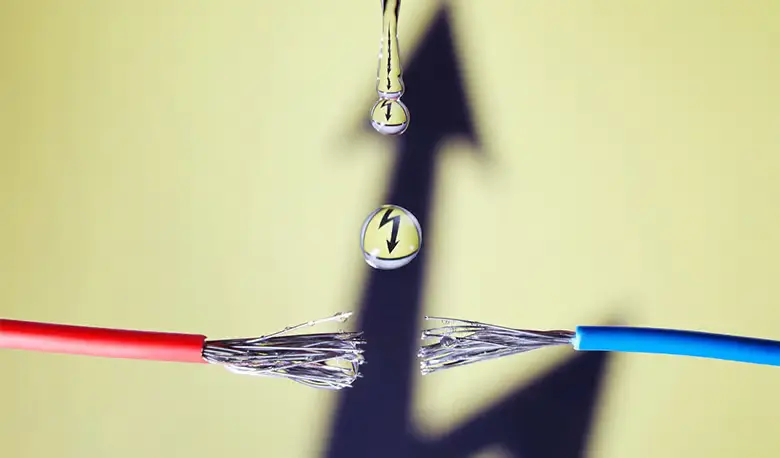
What causes a short circuit is an unintended low-resistance electrical path that allows electrical current to bypass the normal electrical circuit, resulting in excessive current flow that causes the circuit breaker to trip. Short circuits are typically triggered by insulation failure, damaged electrical wires, loose electrical connections, moisture intrusion, faulty electrical appliances, or installation defects that develop gradually inside an electrical system rather than occurring suddenly.
What causes a short circuit is not always obvious to homeowners. In many Sydney homes, short circuits develop silently over years as wiring ages, connections loosen, and insulation deteriorates behind walls, ceilings, and electrical boxes, only becoming noticeable when a circuit breaker trips repeatedly or a burning smell appears.
Understanding how short circuits form helps homeowners recognise warning signs early, reduce electrical hazards, and prevent electrical fires. With Sydney properties ranging from older homes with original wiring to renovated houses supporting high electrical demand, knowing the real causes of short circuits is essential for maintaining electrical safety and avoiding costly repairs.
Key Takeaways
✅ What causes a short circuit is an unintended low-resistance electrical path that allows excessive electrical current to flow, leading to circuit breaker trips, electrical fires, and electrical shock risks within the electrical system.
✅ Short circuits often develop gradually due to insulation degradation, mechanical loosening at connections, electrical stress, or installation defects rather than occurring as sudden or isolated failures.
✅ Warning signs such as repeated breaker trips, burning smells, sparking outlets, flickering lights, and warm switches indicate a serious electrical issue that requires professional assessment.
✅ Licensed electricians use specialised diagnostic testing to find and fix short circuits safely, preventing ongoing damage to electrical components and reducing fire risk in Sydney homes.
What Is a Short Circuit?
A short circuit occurs when electrical current flows along an unintended electrical path with very little electrical resistance, bypassing the intended circuit load. When this happens, current rises rapidly, heat builds up at the fault point, and the circuit breaker or fuse disconnects electrical power to protect the rest of the circuit.
In a normal electrical circuit, current flows from the power source, through electrical devices, and back along the intended return path. When insulation fails or conductors make contact due to damage or movement, the current takes the path of least resistance instead. This creates a high-current electrical fault capable of overheating wires, damaging components, and igniting nearby materials.
Key characteristics of a short circuit include:
- Excessive electrical current flowing almost instantly
- Rapid heat generation at the fault location
- A circuit breaker tripping or a fuse blowing
- Increased risk of electrical fires and electrical shock
A short circuit is different from an open circuit, where current cannot flow at all, and it is often confused with a ground fault. A ground fault occurs when electrical current escapes the intended circuit and flows to earth rather than directly between conductors.
Why Short Circuits Are Dangerous
Short circuits place extreme stress on an electrical system in a very short period of time. Without protective devices operating correctly, this stress can cause serious damage and injury.
Electrical fires are one of the most severe risks. When excessive current flows through a short circuit, insulation can ignite or surrounding materials can overheat inside walls, ceiling cavities, or electrical boxes. Many electrical fires start out of sight and spread before occupants realise there is a problem.
Electrical shock is another major danger. Short circuits can energise exposed metal parts on switches, outlets, or electrical appliances. Contact with these surfaces may result in burns, involuntary muscle contraction, or more serious injury depending on the current path.
Short circuits also damage electrical equipment. Appliances, circuit breakers, and sensitive electronics exposed to repeated fault currents experience accelerated wear. If the underlying electrical fault is not corrected, ongoing failures and higher replacement costs become likely.
Common Warning Signs of a Short Circuit
Short circuits rarely occur without warning. Most electrical systems show signs of stress before a complete failure occurs.
Warning Signs Comparison Table
| Warning sign | What it indicates | Risk level |
|---|---|---|
| Frequent circuit breaker trips | Excessive current or fault current | High |
| Burning smell | Insulation overheating or carbonisation | Critical |
| Sparking outlets | Direct conductor contact or arcing | Critical |
| Buzzing or crackling sounds | Loose electrical connections | Medium |
| Warm outlets or switches | High resistance or overload | High |
| Flickering lights | Intermittent short or loose neutral | Medium |
| Tripped breaker on one circuit | Localised short circuit issue | High |
Repeated breaker trips on the same circuit are one of the clearest signs of a short circuit or related electrical fault. This can occur even when no electrical devices are connected, a situation commonly linked to hidden wiring problems discussed in why breakers keep tripping with nothing plugged in.
Other warning signs should never be ignored, including:
- A persistent burning smell near outlets, switches, or the electrical panel
- Sparks or crackling sounds when plugging in devices
- Outlets or switch plates that feel warm to the touch
- Lights that flicker when appliances turn on
Each of these symptoms points to abnormal current flow and increasing fire risk.
What Causes a Short Circuit Beyond Obvious Damage
Many short circuits are not caused by sudden accidents or visible damage. Instead, they result from slow deterioration inside the electrical system that eventually reaches a failure point.
Mechanical Causes
Mechanical movement inside electrical connections is a major contributor to delayed short circuit failures.
Over time, thermal expansion and contraction occur every time a circuit heats up under load and cools down again. This movement loosens terminals and deforms conductors. Improper torque during installation can accelerate this process by damaging conductors from the start.
Other mechanical contributors include:
- Vibration from appliances such as air conditioners or washing machines
- Building movement in older properties
- Cable compression inside overcrowded electrical boxes
These mechanical changes gradually reduce separation between conductors until contact occurs.
Material and Insulation Degradation
Electrical insulation fails due to heat, oxidation, and contamination rather than age alone.
Common insulation-related causes include:
- Carbon tracking, where overheated insulation becomes partially conductive
- Loss of insulation flexibility leading to cracking
- Heat-induced oxidation weakening insulation boundaries
- Rodent damage exposing live electrical wires
Homes affected by deteriorating insulation face elevated risk, particularly where wiring has become exposed, a condition commonly associated with exposed wiring hazards in residential properties.
Electrical Stress
Even electrical systems that were originally compliant experience stress over time.
Electrical stress factors include:
- Repeated inrush current from motors and compressors
- Voltage transients that weaken insulation boundaries
- Partial discharge erosion inside cable insulation
- Mixed-metal electrical connections such as aluminium joined to copper
These stresses explain why a short circuit can occur even when no visible damage is present at outlets or switches.
Installation and Human Error
Some of the most dangerous short circuits originate from workmanship issues.
Common installation-related causes include:
- Incorrect conductor bend radius
- Over-stripped insulation at terminals
- Incorrect wire gauge selection
- Electrical code violations from DIY electrical work
Many long-term electrical failures stem from the dangers of hiring unlicensed electricians, where non-compliant installation introduces faults that remain hidden until failure occurs.
Root Cause vs Trigger Matrix
Short circuits are often misunderstood as sudden events. In reality, they are usually the end result of long-term degradation.
| Root cause category | Hidden precursor | Immediate trigger |
|---|---|---|
| Mechanical | Terminal loosening over time | Conductor contact |
| Thermal | Chronic heat cycling | Insulation melt |
| Chemical | Insulation oxidation | Carbon tracking |
| Electrical | Repeated electrical stress | Arc formation |
| Human | Installation defects | Load increase or movement |
This distinction explains why short circuits often occur years after installation rather than immediately.
Short Circuit vs Ground Fault
A short circuit occurs when electrical current flows directly between conductors. A ground fault occurs when current escapes the intended circuit and flows to earth through a grounded surface. Both conditions can cause a circuit breaker to trip, but ground faults present a higher electrical shock risk, particularly in wet areas such as kitchens, bathrooms, and outdoor locations.
Ground fault protection devices are designed to disconnect power quickly when leakage is detected, reducing the risk of serious injury.
Why Circuit Breakers Trip During a Short Circuit
Circuit breakers monitor the amount of electrical current flowing through a circuit. When excessive current is detected, the breaker trips to protect the electrical system from overheating and fire.
The sequence is important to understand:
- A short circuit forms inside the electrical system
- Electrical current increases rapidly
- The circuit breaker trips in response
Repeated breaker trips indicate an unresolved electrical issue rather than a faulty breaker and should never be ignored.
How Short Circuits Are Diagnosed and Fixed
Short circuits are rarely resolved by replacing a single outlet or switch. Licensed electricians use systematic testing to locate the fault accurately.
Professional diagnostic methods typically include:
- Circuit isolation and continuity testing
- Insulation resistance testing
- Thermal imaging to identify hot spots
- Load analysis at the main electrical panel
- Inspection of electrical boxes and concealed cable runs
Accurate diagnosis requires experienced Sydney electricians who understand fault behaviour across both modern and older electrical systems. In many cases, faults are identified through structured electrical fault finding rather than surface-level repairs.
Preventing Short Circuits in Sydney Homes
Homeowners can reduce the risk of short circuits by maintaining their electrical systems and addressing issues early.
Effective prevention includes:
- Avoiding overloaded circuits with too many devices
- Replacing damaged cords and malfunctioning appliances promptly
- Keeping electrical boxes dry and properly sealed
- Upgrading outdated wiring where required
Regular electrical safety inspections are essential for homeowners, particularly in older Sydney properties where wiring systems may no longer meet current Australian standards.
When to Call a Licensed Electrician
Short circuit issues should never be ignored or repeatedly reset at the circuit breaker. Professional assistance is required immediately if you notice burning smells, visible sparking, electrical shock, repeated circuit breaker trips, warm outlets or switches, or power loss isolated to a single circuit.
For reliable fault diagnosis and repairs across Sydney, Calibre Connect provides licensed electrical services focused on safety, compliance, and long-term solutions. If you are experiencing signs of a short circuit, contact our team to arrange a professional inspection and protect your electrical system.