



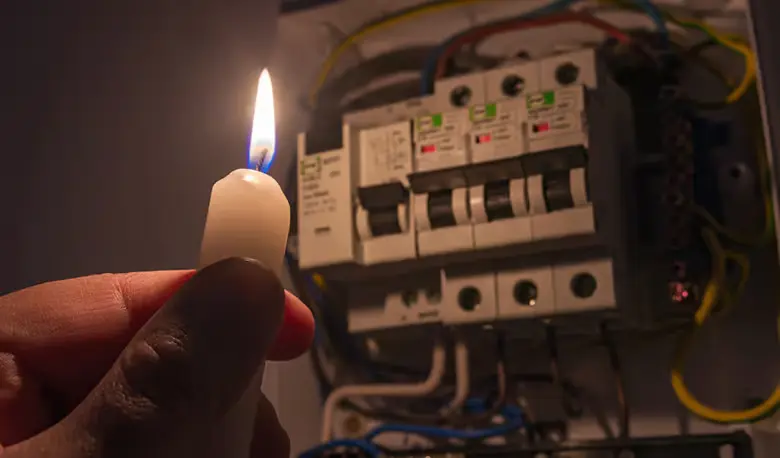
How to prepare for a blackout involves understanding that power outages vary by cause, duration, and impact, not just having supplies on hand. Effective blackout preparation focuses on power dependency, food safety, communication limits, appliance protection, and household safety during uncertain restoration timelines, especially in prolonged or unplanned outages.
Power outages can happen suddenly and affect entire neighbourhoods, suburbs, or large parts of Sydney without warning. Severe weather, grid overload, equipment failure, and infrastructure damage can all disrupt electricity supply, leaving homes without lighting, refrigeration, heating, and communication for hours or even days.
Understanding how to prepare for a blackout helps households reduce stress, protect appliances, and maintain safety when the power goes out. As modern homes rely heavily on electricity for everyday functions, preparation is no longer just about candles and torches but about managing electrical dependency and uncertainty.
Key Takeaways
✅ Blackout preparation depends on outage type and duration, not just emergency supplies.
✅ Many household systems fail earlier than expected, including communications, refrigeration, and electronic appliances.
✅ Food safety, power surge protection, and medical needs require planning before power goes out.
✅ Professional electrical assessments help reduce risks when power returns after an outage.
What Is a Blackout?
A blackout is a complete loss of electricity supply to a home, street, or wider area. Unlike brief power interruptions, blackouts often involve uncertain restoration times and cascading effects on essential services.
Blackouts can occur due to:
- Severe weather damaging power lines or substations
- Grid overload during heatwaves or peak demand
- Equipment failure at substations or transformers
- Vehicle or construction damage to power infrastructure
- Planned maintenance or emergency shutdowns
Power outages can be short, lasting a few minutes, or prolonged, extending beyond several days. Preparation must account for both scenarios, as the risks and impacts change significantly with duration.
Why Blackouts Are More Disruptive Than Expected
Modern homes rely on electricity for far more than lighting.
When the power goes out:
- Fridges and freezers stop maintaining safe temperatures
- Electric pumps affect water supply and pressure
- Mobile phone networks begin losing backup power
- Gas appliances with electric ignition stop working
- Medical equipment may lose power
These dependency chains explain why blackout preparation must focus on system behaviour rather than just supplies.
Common Warning Signs Before and During a Blackout
Some outages occur without warning, but others show early indicators.
Blackout Warning Signs Table
| Sign | What it indicates | What to expect |
|---|---|---|
| Flickering lights | Grid instability or overload | Possible outage |
| Repeated short outages | Load shedding | Rolling blackouts |
| Neighbourhood-only outage | Local equipment failure | Longer restoration |
| Power loss during storms | Weather damage | Widespread delays |
| Sudden outage on hot days | Grid overload | Extended downtime |
When outages repeat or worsen, preparation becomes more critical.
Types of Blackouts and Why They Matter
Not all power outages are the same, and preparation differs depending on the cause.
Weather-Related Outages
Weather-driven outages often involve fallen trees, damaged power lines, and restricted access for repair crews.
Key characteristics include:
- Widespread impact
- Delayed restoration due to safety risks
- Temperature-related health concerns
Grid Overload and Rolling Blackouts
During extreme heat, electricity demand can exceed supply.
These outages often involve:
- Predictable timing
- Repeated interruptions
- Partial restoration before full recovery
Local Equipment Failure
Transformer or distribution failures usually affect smaller areas.
These outages may:
- Last longer than expected
- Lack clear restoration updates
- Affect only certain streets or homes
How Blackouts Affect Food Safety
Food safety becomes a major concern during power outages.
When power goes out:
- A closed fridge keeps food cold for about 4 hours
- A closed freezer can keep food safe for up to 48 hours if full
- Opening doors frequently accelerates spoilage
Food safety risks increase when outages extend beyond these timeframes, particularly during hot weather.
Understanding these risks is part of broader emergency planning discussed in how to plan and prepare for a blackout.
Power Surges When Electricity Returns
When power is restored, voltage surges are common.
These surges can:
- Damage electronic appliances
- Shorten appliance lifespan
- Trigger electrical faults
Protective steps such as unplugging appliances during outages help reduce this risk. Homes that experience frequent outages benefit from professional inspections similar to those outlined in why regular electrical safety inspections are essential for homeowners as well as installing surge protectors.
Importance of Backup Power and Generators
Backup power adds resilience but also introduces new risks.
Common backup options include:
- Power banks for mobile devices
- Battery-powered lighting
- Portable generators for essential appliances
Generators require careful placement and ventilation, as fuel-powered units produce fumes and must never be used indoors.
Communication During a Blackout
Communication systems are fragile during prolonged outages.
Consider that:
- Mobile phone towers have limited backup power
- Data services fail before voice calls
- Network congestion increases rapidly
Keeping phones charged with power banks and limiting usage helps extend communication capability.
Protecting Your Electrical System During an Outage
Electrical systems are vulnerable both during and after blackouts.
Key protective actions include:
- Unplugging sensitive electronics
- Turning off major appliances
- Switching off non-essential circuits
When power returns, appliances should be turned on gradually to avoid overload and damage.
Homes with older wiring benefit from professional checks by experienced Sydney electricians who understand outage-related electrical risks. Many homeowners rely on Calibre Connect for system assessments following repeated or prolonged outages.
Preparing for Prolonged Outages
Longer outages require different planning priorities.
Consider:
- Non-perishable food and water supply
- Battery-powered or wind-up radios
- First aid kits and essential medications
- Warm clothing or cooling options
Preparation should also account for pets, elderly household members, and anyone reliant on medical equipment.
When to Call a Licensed Electrician After a Blackout
Electrical issues may appear once power is restored.
Contact a licensed electrician if you notice:
- Burning smells or buzzing sounds
- Tripped breakers that will not reset
- Appliances no longer functioning correctly
- Flickering lights after power returns
For post-blackout inspections and electrical safety checks across Sydney, Calibre Connect provides professional electrical services. If you need assistance after a power outage, contact our team to arrange an inspection and ensure your electrical system remains safe.